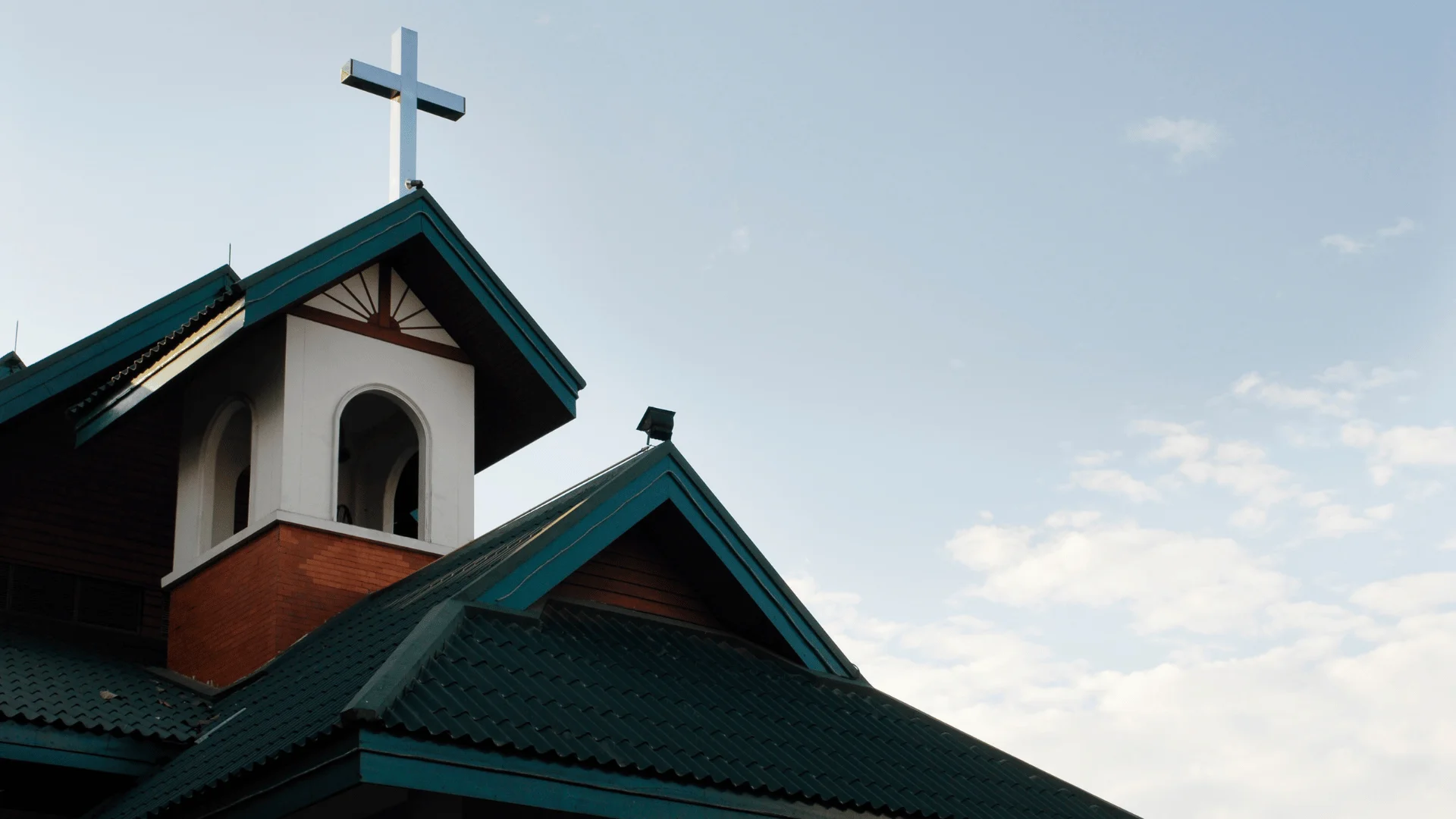
Churches are some of the most recognizable buildings in Rochester, MN. Their rooflines often define the structure’s character and protect spaces used by large groups of people. While residential roofing focuses on protecting a single household, church roofing involves different challenges that affect design, materials, installation methods, and maintenance planning.
Understanding how church roofs differ from residential roofs helps church leaders and property managers make informed decisions when repairs or replacements become necessary.
Scale and Roof Size
One of the most obvious differences is size. Church roofs typically cover far more surface area than residential roofs. Large open sanctuaries, fellowship halls, offices, and educational wings often connect under a single roofing system.
Larger roof surfaces mean:
- Increased material volume
- Longer installation timelines
- Greater exposure to weather events
- Higher importance of drainage planning
Because of this scale, small issues can affect much larger interior areas if not addressed early.
Height and Access Challenges
Church buildings are often taller than homes and may include steeples, towers, or multiple roof levels. Accessing these areas safely requires specialized equipment and planning.
Access challenges include:
- Limited ground access around historic buildings
- Steep slopes requiring harness systems
- Elevated work areas needing lifts or scaffolding
- Safety considerations for surrounding walkways
Professional planning ensures the roof work does not interfere with daily activities or pose risk to congregation members.
Steep Pitch and Architectural Design
Many churches feature steeply pitched roofs that serve both functional and aesthetic purposes. Steep slopes allow snow to shed more easily, but they also increase installation difficulty.
Steep pitch considerations include:
- Higher fall risk during installation
- Specialized fastening requirements
- Greater wind exposure
- Increased importance of flashing details
These roof designs demand crews with experience working on complex structures.
Material Selection for Longevity
Church roofs are expected to last for decades. Congregations often prefer materials that minimize future disruption and maintenance. Metal roofing is a common choice for churches due to its durability and clean appearance, but architectural shingles and specialty systems are also used depending on design goals.
Material selection factors include:
- Expected lifespan
- Snow and ice performance
- Wind resistance
- Visual compatibility with the building
- Budget planning over long periods
Choosing the right material protects both the structure and long term financial stability.
Snow Load and Drainage Considerations
Minnesota winters place significant weight on church roofs. Snow accumulation combined with ice buildup can stress structural components if drainage is not properly designed.
Church roofs must account for:
- Snow shedding patterns
- Ice dam prevention
- Gutter and downspout capacity
- Safe snow fall zones near entrances
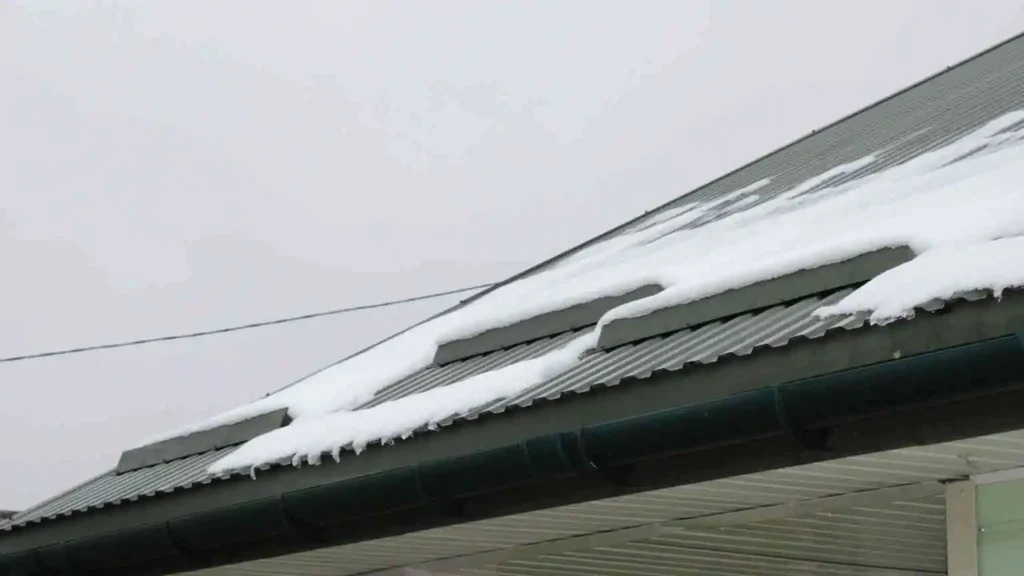
Snow guards and drainage planning are often required to protect both the building and people entering and exiting.
Interior Protection and Liability
Church buildings host large gatherings, events, and services. Roof failures pose greater risk than in residential settings due to occupancy levels.
Roof systems must prioritize:
- Leak prevention over large interior spaces
- Structural integrity under snow load
- Protection of electrical and sound systems
- Safety of occupants during all seasons
Because of this, inspections and proactive maintenance are especially important.
Maintenance Planning for Churches
Church leadership often plans roofing investments with long timelines in mind. Unlike residential owners who may sell within years, churches typically maintain buildings for generations.
Effective maintenance planning includes:
- Annual inspections
- Storm damage assessments
- Scheduled fastener and sealant checks
- Budget forecasting for future upgrades
Preventive maintenance reduces emergency repairs and unexpected costs.
Preserving Architectural Integrity
Many churches in Rochester, MN have historic or architectural significance. Roofing work must respect the building’s original design while incorporating modern performance standards.
Preservation focused roofing considers:
- Matching original materials when possible
- Minimizing visible fasteners
- Maintaining roofline symmetry
- Protecting decorative elements
This balance requires experienced contractors who understand both structure and appearance.
Why Experience Matters for Church Roofing
Church roofing is not a standard residential project. The combination of scale, safety, material selection, and community responsibility requires specialized experience.
Above All Roofing works with churches and large structures throughout Rochester, MN. Our approach focuses on careful planning, clear communication, and durable solutions designed for Minnesota conditions. Each project begins with a detailed inspection and realistic recommendations tailored to the building’s needs.