Choosing the right roofing material in Minnesota is not just about appearance. It is about protection, durability, and how well the system holds up against snow loads, ice buildup, wind events, and seasonal temperature swings. Homeowners in Rochester, MN regularly ask whether metal roofing is truly worth the investment compared to asphalt shingles or other materials.
Metal roofing has gained popularity across Minnesota because it solves many of the problems that cause traditional roofs to fail early. Understanding how metal roofing performs in real weather conditions helps homeowners decide if it fits their home, budget, and long term plans.
How Minnesota Weather Affects Roofs
Minnesota roofs face constant stress throughout the year. Winter brings heavy snow accumulation and ice dams. Spring introduces freeze and thaw cycles along with wind driven rain. Summer adds heat expansion and ultraviolet exposure. Fall storms combine rain, debris, and wind.
These conditions cause common roofing issues such as:
- Shingle cracking and curling
- Granule loss from hail impact
- Ice dam water intrusion
- Wind lifted tabs and flashing failure
Metal roofing responds differently to these stresses, which is why many homeowners consider it when replacing an aging roof.
Snow and Ice Performance of Metal Roofing
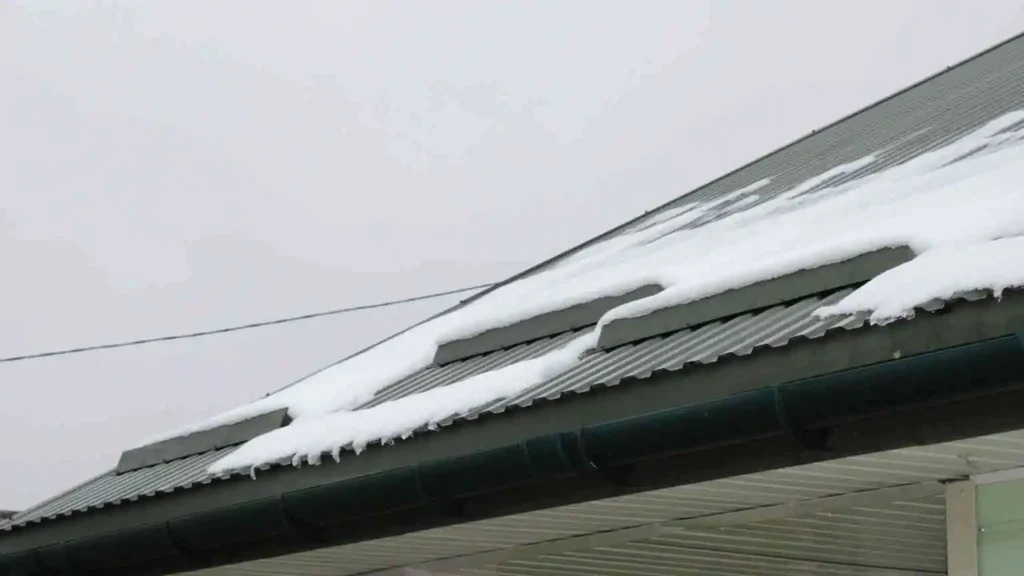
One of the biggest advantages of metal roofing in Minnesota is how it handles snow. Metal panels have smooth surfaces that allow snow to slide off rather than build up. This reduces roof load stress and lowers the risk of ice dams forming along the eaves.
Benefits related to snow and ice include:
- Reduced snow accumulation
- Less ice dam formation
- Lower risk of moisture backing up under roofing material
- Improved winter drainage during melt cycles
Proper installation with snow guards and correct flashing ensures safety while still allowing controlled snow shedding.
Wind and Storm Resistance
High winds are a major cause of roof damage in southern Minnesota. Metal roofing systems are designed to lock together and fasten securely to the roof deck. When installed correctly, they outperform many shingle systems during wind events.
Metal roofing advantages during storms include:
- High wind resistance ratings
- Reduced risk of material blow off
- Strong fastening systems
- Resistance to flying debris impact
For homeowners who experience frequent storms or live in open areas with higher wind exposure, metal roofing provides added peace of mind.
Hail Impact and Surface Durability
Hail is one of the most common causes of insurance claims in Minnesota. While no roofing material is completely immune, metal roofing typically resists puncture better than asphalt shingles. Cosmetic dents may occur, but the structural integrity of the roof remains intact.
Important points about hail performance:
- Metal panels resist cracking
- Protective coatings limit surface damage
- Structural waterproofing remains intact
- Insurance ratings are often higher
Some metal roofing systems qualify for impact resistance classifications that may help reduce insurance premiums.
Lifespan Compared to Other Roofing Materials
Metal roofing is known for its long service life. While asphalt shingles often last 20 to 30 years in Minnesota conditions, metal roofing can last 40 to 50 years or longer with proper installation and maintenance.
Factors that contribute to metal roof longevity include:
- Resistance to ultraviolet breakdown
- Minimal moisture absorption
- Strong panel design
- Durable protective coatings
Fasteners and coatings may require periodic inspection, but the core roofing system remains intact for decades.
Energy Efficiency in Minnesota Homes
Metal roofing reflects solar heat more effectively than many traditional materials. In summer, this helps reduce attic heat buildup. In winter, proper insulation and ventilation paired with metal roofing help maintain stable indoor temperatures.
Energy related benefits include:
- Reduced summer cooling demand
- Improved attic airflow
- Compatibility with modern insulation systems
- Potential long term energy savings
Color selection and panel finish also influence thermal performance.
Maintenance Requirements
Metal roofing generally requires less maintenance than asphalt shingles. It does not crack, curl, or lose granules. Annual inspections focus on fasteners, sealants, and flashing rather than surface deterioration.
Typical maintenance includes:
- Visual inspections after major storms
- Checking fastener tightness if exposed
- Clearing debris from valleys and gutters
- Monitoring sealant condition around penetrations
With routine care, metal roofing maintains performance with minimal intervention.
Is Metal Roofing Right for Every Home
While metal roofing offers many benefits, it may not be ideal for every homeowner. Initial installation cost is higher than asphalt shingles. Some architectural styles may require careful panel selection to maintain visual balance.
Metal roofing is often best suited for homeowners who:
- Plan to stay in their home long term
- Want lower lifetime roofing costs
- Prioritize durability over short term savings
- Live in areas with frequent storms or heavy snow
Working With Experienced Installers Matters
Metal roofing performance depends heavily on installation quality. Panel alignment, flashing details, ventilation design, and fastening methods must be precise. Improper installation can reduce lifespan and performance.
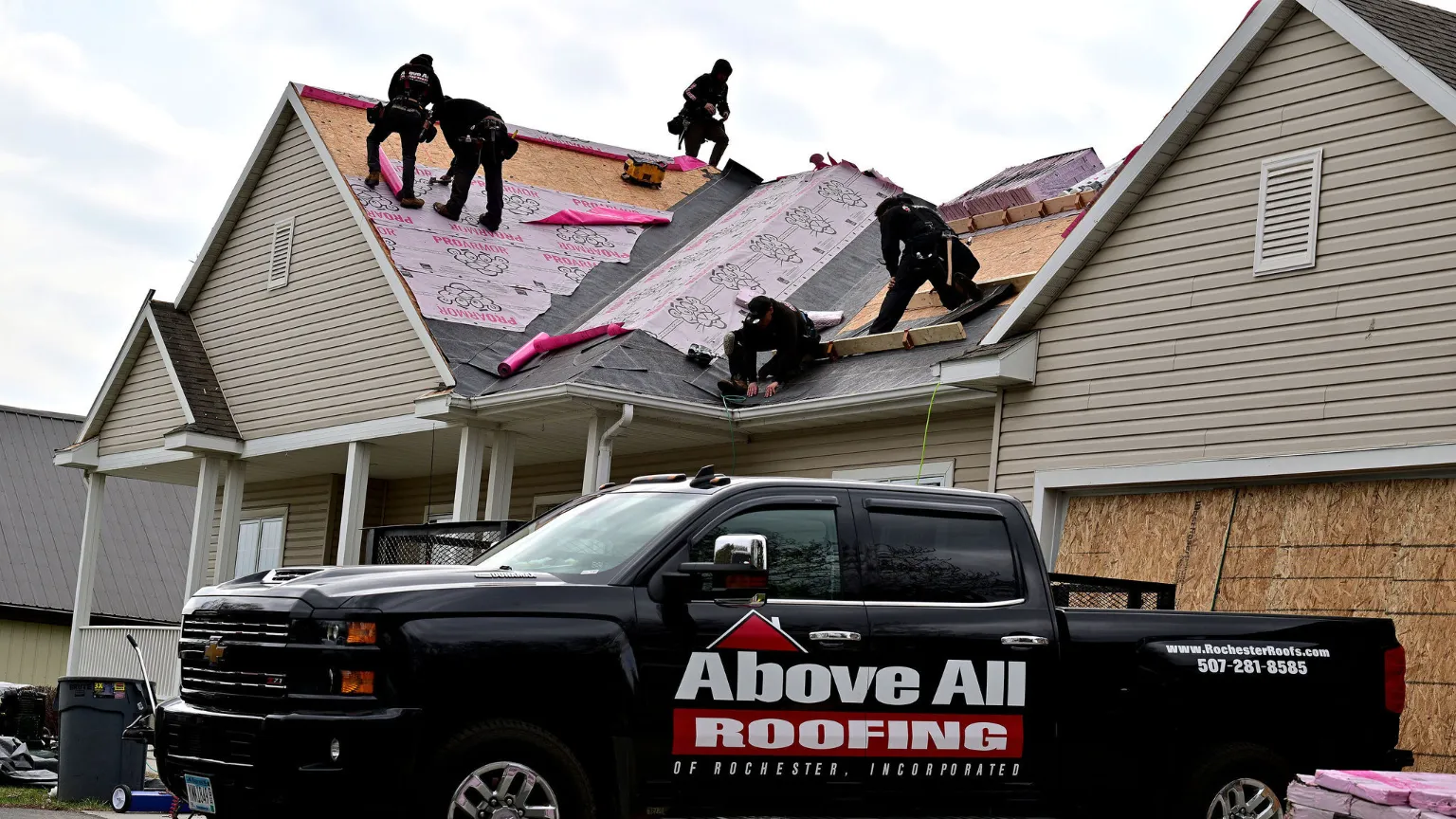
Above All Roofing installs metal roofing systems specifically designed for Minnesota weather conditions. Experience with snow load requirements, ice protection, and thermal movement ensures the roof performs as intended year after year.