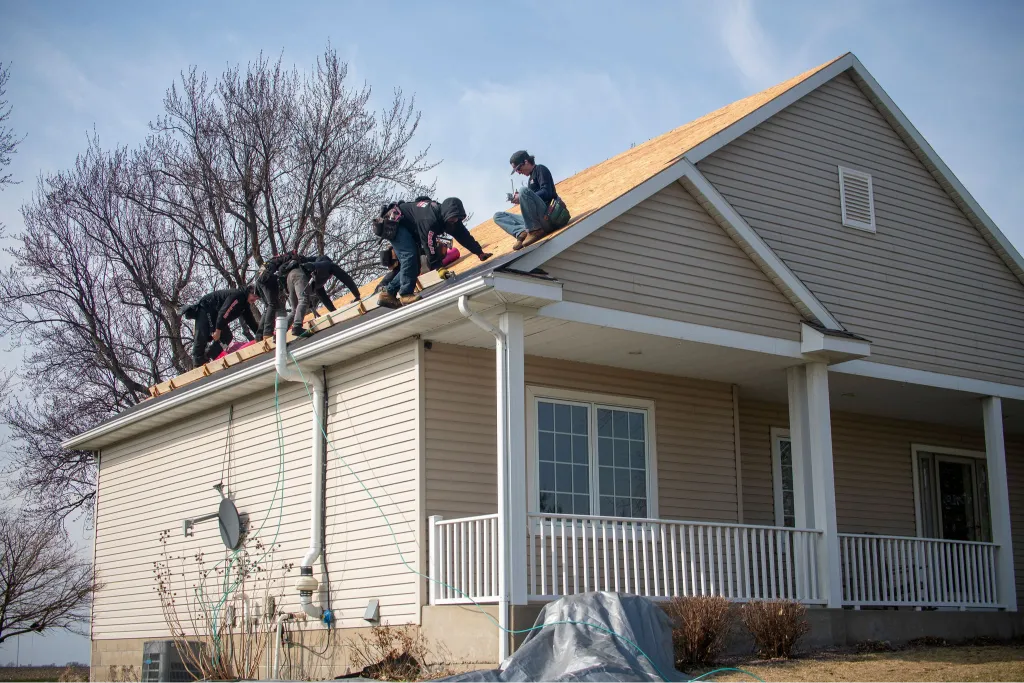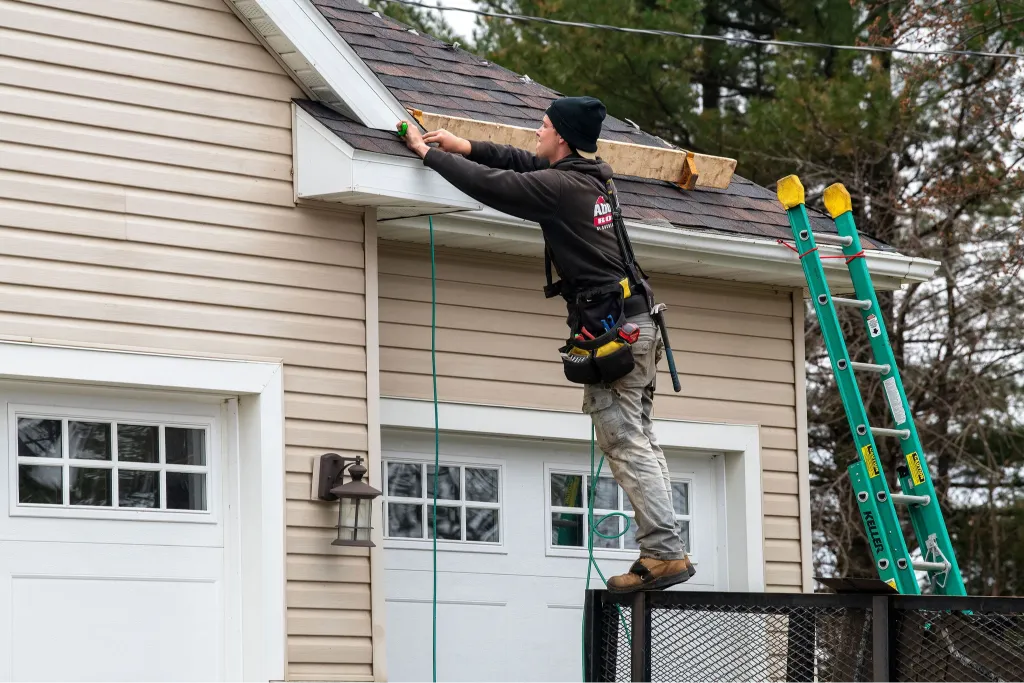
Flat roof leaks are one of the most common concerns for commercial buildings, churches, and multi use facilities in Rochester, MN. When water appears inside, the first fear is often that a full roof replacement is required. In many cases, that is not true. Flat roofs are designed to be repaired, and targeted solutions can restore performance when issues are identified early.
Understanding how flat roof leaks occur and how they are repaired helps property owners make informed decisions and avoid unnecessary expense.
Start With a Proper Flat Roof Inspection
Before any repair can be planned, the source of the leak must be identified. Flat roofs do not always leak directly above the visible interior damage. Water can travel across the membrane or insulation before entering the building.
A professional inspection focuses on:
- Membrane seams and joints
- Flashing at penetrations and walls
- Drainage areas and scuppers
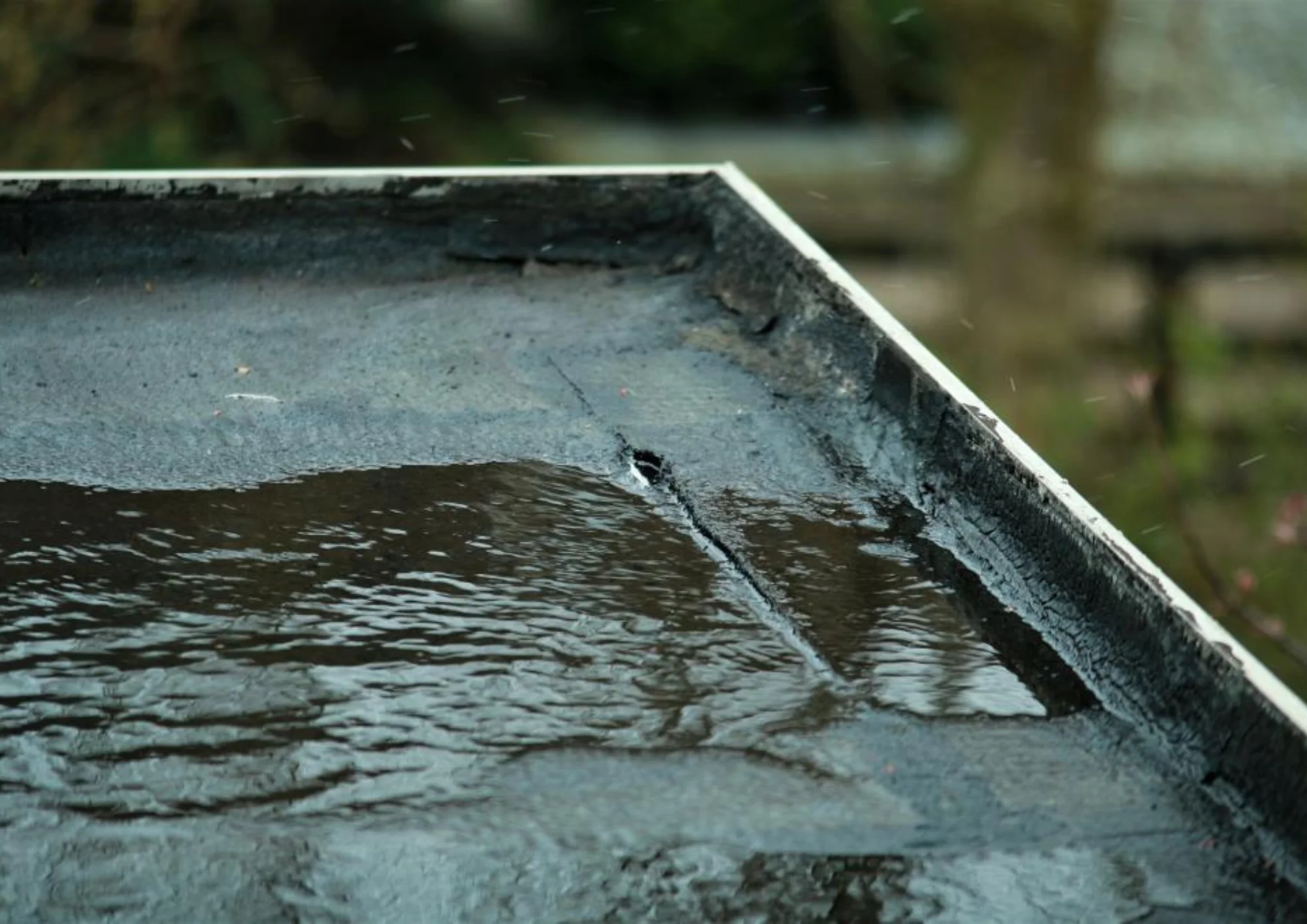
- Signs of ponding water
- Surface wear or punctures
Accurate diagnosis prevents wasted repairs and ensures the correct solution is applied.
Repairing Seam Separation
Seams are one of the most common leak sources on flat roofs. Over time, temperature changes, foot traffic, and material aging can cause seams to weaken.
Seam repairs may include:
- Heat welding TPO seams
- Re adhering EPDM seams
- Reinforcing seams with compatible materials
- Resealing failed adhesive areas
When performed correctly, seam repairs restore waterproof integrity and extend roof lifespan.
Flashing Repairs at Roof Penetrations
Roof penetrations are necessary but vulnerable points on flat roofs. Vents, HVAC units, skylights, and electrical conduits all require flashing to remain watertight.
Common flashing repair solutions include:
- Removing and replacing cracked sealant
- Installing new flashing boots
- Reinforcing flashing with membrane patches
- Securing loose penetration components
Because penetrations move independently from the roof surface, regular attention is critical.
Addressing Drainage Problems
Poor drainage is a leading cause of flat roof leaks. Standing water places continuous pressure on seams and flashing, accelerating failure.
Drainage improvements may involve:
- Clearing blocked drains and scuppers
- Installing additional drains
- Adjusting slope with tapered insulation
- Repairing drain flashing
Improving drainage often resolves recurring leaks without major roofing work.
Repairing Membrane Damage
Flat roof membranes can be damaged by foot traffic, debris, or weather exposure. Small punctures and surface wear do not always require replacement.
Membrane repair methods include:
- Cleaning and patching damaged areas
- Installing reinforced membrane patches
- Applying compatible sealants
- Protecting high traffic zones with walk pads
Timely membrane repairs prevent water from reaching insulation layers.
Coating Systems as a Repair Option
Roof coatings can be an effective repair solution when the underlying membrane is still structurally sound. Coatings add an additional waterproof layer and protect against ultraviolet exposure.
Coating applications may help:
- Seal minor cracks and surface wear
- Extend roof life by several years
- Improve reflectivity and energy performance
- Delay full replacement
Not all roofs qualify for coatings. Professional evaluation ensures suitability.
Insulation and Moisture Considerations
When leaks go undetected, insulation beneath the membrane may become saturated. Wet insulation loses thermal value and can spread moisture.
Repair planning includes:
- Identifying wet insulation zones
- Removing and replacing affected sections
- Ensuring proper vapor barriers
- Verifying deck condition
Localized insulation replacement is often far less costly than full roof replacement.
When Repairs Are No Longer Enough
While many flat roof leaks can be repaired, there are situations where replacement becomes the safer option.
Replacement may be necessary if:
- Insulation is widely saturated
- Membrane failure is extensive
- Structural decking is compromised
- Repairs become frequent and recurring
A professional assessment helps determine when repair is still a smart investment.
Preventing Future Flat Roof Leaks
Preventive maintenance plays a major role in avoiding leaks. Most flat roof problems develop slowly and can be addressed early with routine inspections.
Preventive steps include:
- Annual professional inspections
- Clearing debris from drainage areas
- Monitoring seams and flashing
- Addressing minor issues promptly
- Planning seasonal snow management
Proactive care significantly reduces long term repair costs.
Why Professional Repairs Matter
Flat roof repairs require material compatibility and technical skill. Improper repairs can void warranties and create new problems.
Professional repair services ensure:
- Correct materials are used
- Repairs meet manufacturer standards
- Drainage and insulation are addressed
- Documentation supports future planning
Above All Roofing provides flat roof repair services throughout Rochester, MN with clear recommendations and durable solutions designed for Minnesota weather conditions.
Final Thoughts
A leaking flat roof does not automatically mean replacement. With accurate diagnosis and targeted repairs, many roofs continue to perform reliably for years. Understanding repair options empowers property owners to make cost effective decisions while protecting their buildings.
If your flat roof is leaking, timely inspection and professional repair can restore performance and extend the life of your roofing system.