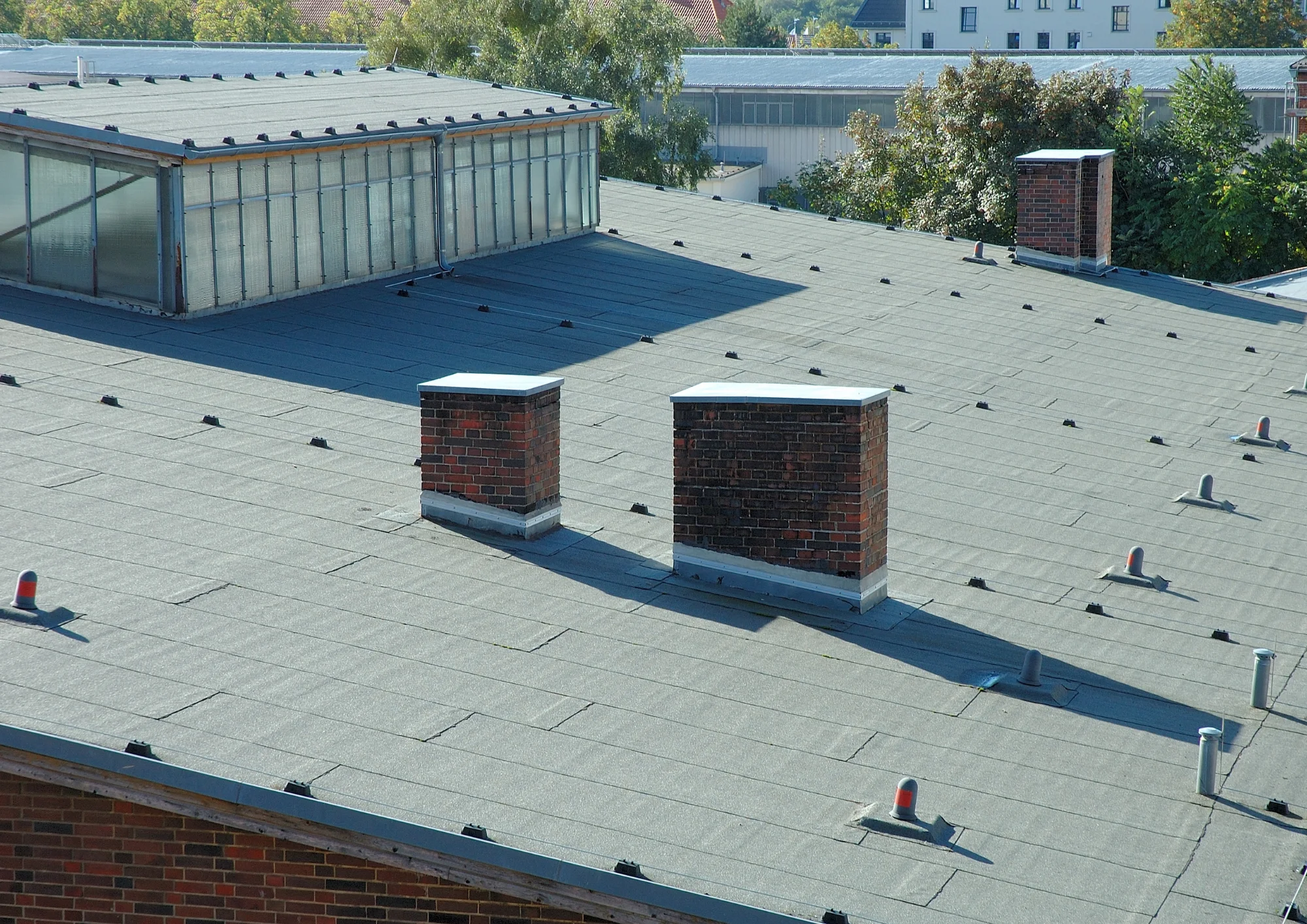
Flat roofs are common on commercial buildings throughout Rochester, MN. Offices, retail spaces, warehouses, and multi use facilities rely on flat or low slope roofing systems to protect large interior areas while supporting mechanical equipment and drainage systems. Unlike residential roofing, flat roofing must be designed to manage standing water, snow accumulation, and freeze cycles without relying on slope to shed moisture.
Understanding the available flat roofing options helps property owners and managers select systems that perform reliably in Minnesota’s demanding climate.
Why Flat Roofing Requires Specialized Systems
Flat roofs are not completely flat. They are designed with a slight slope to direct water toward drains or scuppers. Because water moves more slowly across these surfaces, roofing materials must be waterproof rather than water shedding.
Flat roofing systems must:
- Prevent ponding water
- Resist membrane separation
- Maintain insulation performance
- Handle snow load and ice buildup
- Support rooftop equipment
Choosing the right system reduces leaks and extends roof life.
TPO Roofing Systems
TPO is one of the most widely used flat roofing systems on commercial buildings today. It is a single ply membrane that is heat welded at seams to create a continuous waterproof barrier.
Benefits of TPO roofing include:
- Strong seam integrity
- Reflective surface for energy efficiency
- Resistance to ultraviolet exposure
- Lightweight design
- Compatibility with insulation systems
TPO performs well in Minnesota when installed with proper insulation and drainage planning. It is commonly used on retail buildings, offices, and newer commercial construction.
EPDM Rubber Roofing
EPDM is a synthetic rubber membrane known for flexibility and long term durability. It has been used on commercial buildings for decades and performs well in cold climates.
Advantages of EPDM roofing include:
- Excellent flexibility in freezing temperatures
- Resistance to cracking
- Proven performance history
- Simple repair process
- Long service life when maintained
EPDM membranes are typically black, which can help with snow melt but may increase summer heat absorption without proper insulation.
Modified Bitumen Roofing
Modified bitumen systems combine asphalt with reinforcing materials to create multi layer protection. These systems are often installed using heat or adhesive methods.
Key benefits of modified bitumen include:
- Multiple waterproof layers
- Strong puncture resistance
- Good performance under foot traffic
- Compatibility with existing roof systems
- Reliable cold weather performance
Modified bitumen is often chosen for buildings that require durability and redundancy, such as schools, churches, and healthcare facilities.
Drainage and Insulation Design
Drainage design is critical for flat roofs in Minnesota. Snow melt and rain must move efficiently off the roof to prevent ponding and ice formation.
Important drainage considerations include:
- Internal roof drains
- Scuppers and overflow drains
- Proper slope design
- Ice protection around drain areas
Insulation placement also plays a major role. Proper insulation helps prevent heat loss that leads to ice buildup while improving energy efficiency year round.
Snow Load and Winter Performance
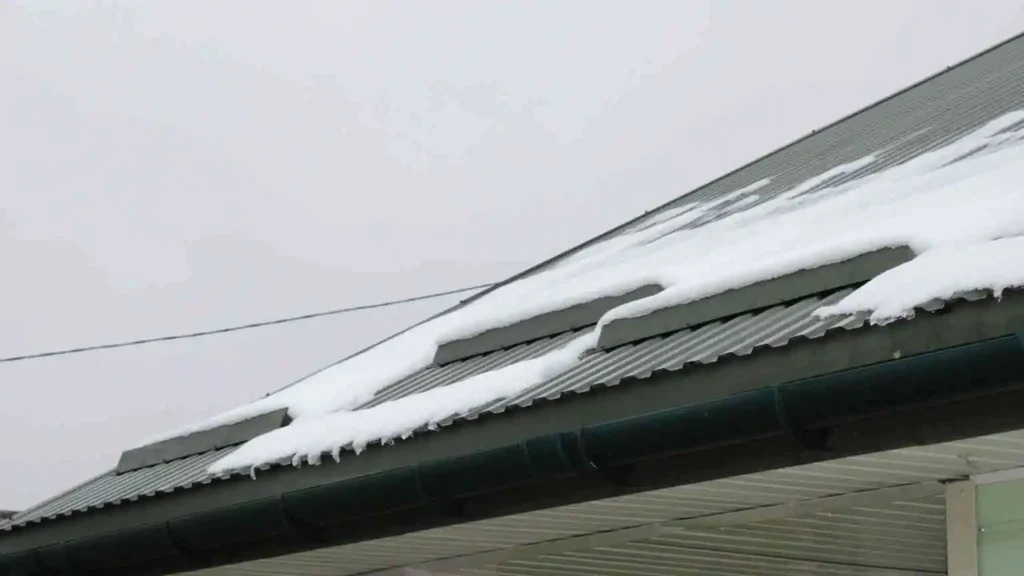
Flat roofs must support significant snow loads during Minnesota winters. Roofing systems are designed to distribute weight evenly across the structure.
Winter performance factors include:
- Membrane flexibility in cold temperatures
- Resistance to freeze damage
- Proper flashing at parapet walls
- Safe snow removal planning
Regular inspections during winter help identify areas where ice buildup may stress the system.
Maintenance Expectations for Flat Roofs
Flat roofs require routine maintenance to achieve full lifespan. While modern systems are durable, proactive care prevents small issues from becoming major leaks.
Recommended maintenance practices include:
- Annual roof inspections
- Clearing debris from drains
- Checking flashing and seams
- Monitoring insulation performance
- Inspecting areas around rooftop equipment
Most flat roof issues are preventable when addressed early.
Choosing the Right Flat Roofing System
No single flat roofing system fits every commercial building. Selection depends on building size, usage, budget, and long term plans.
Factors to evaluate include:
- Expected lifespan
- Installation method
- Maintenance requirements
- Energy efficiency goals
- Roof access and foot traffic
A professional assessment ensures the system matches the building’s needs.
Why Professional Installation Matters
Flat roofing performance depends heavily on installation quality. Seam integrity, flashing detail, insulation placement, and drainage execution must be precise.
Above All Roofing installs flat roofing systems throughout Rochester, MN with a focus on durability and long term performance. Proper planning and experienced installation help commercial property owners avoid costly repairs and premature replacement.