Church roof replacements involve more than selecting materials and scheduling installation. Because churches are classified differently than residential homes, they are often subject to additional regulations, inspections, and permitting requirements. In Rochester, MN, these rules exist to protect public safety, structural integrity, and long term building performance.
Understanding what is required before starting a church roofing project helps church leaders plan timelines, budgets, and responsibilities without unexpected delays.
Why Churches Are Regulated Differently Than Homes
Church buildings are typically classified as assembly or commercial structures rather than residential properties. They host large gatherings and must meet higher safety standards.
Because of this classification, roofing projects are often reviewed more closely to ensure:
- Structural safety under snow load
- Proper fire resistance
- Safe access during construction
- Protection of occupants and visitors
These additional responsibilities make permitting and inspections an important part of the process.
When a Permit Is Required
In most cases, a permit is required when a church roof is replaced. Even if the work involves removing and replacing materials with the same system, local building departments typically require documentation.
Permits are commonly required when:
- Roofing materials are replaced
- Structural components are repaired or altered
- Roofing weight changes occur
- Fire ratings or insulation values are modified
Local building authorities determine the final requirement, but permits are the standard rather than the exception.
Material Changes and Structural Review
If a church is changing roofing materials, additional review may be required. Switching from shingles to metal or tile can alter roof weight and load distribution.
Material change considerations include:
- Structural capacity for added weight
- Snow load calculations
- Attachment methods
- Fire resistance ratings
Engineering review may be required in some cases to confirm the structure can safely support the new system.
Inspections During the Roofing Process
Inspections are designed to verify that roofing work meets building codes and safety standards. These inspections protect both the building and the people who use it.
Common inspection stages include:
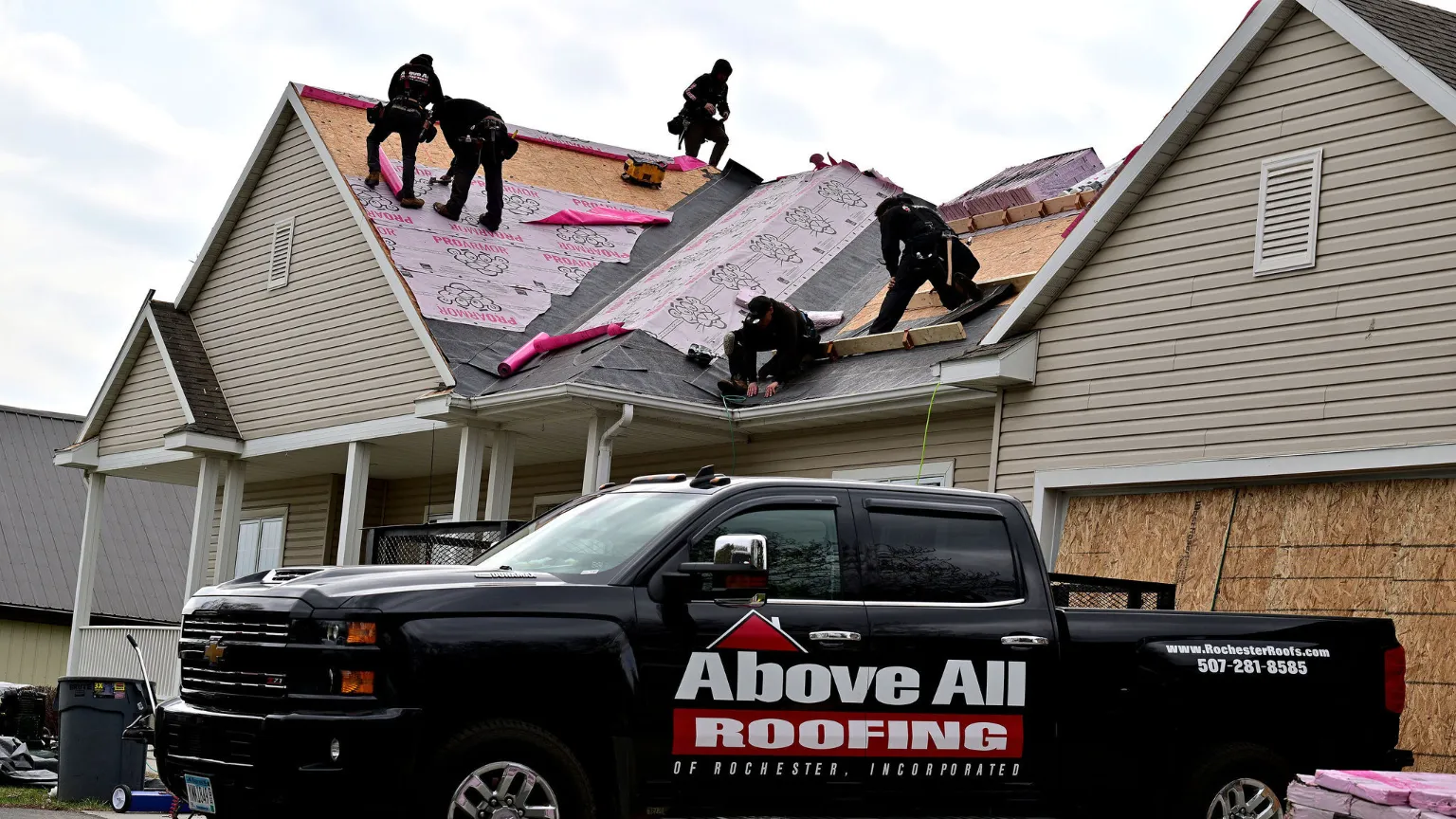
- Deck condition verification
- Underlayment and ice barrier inspection
- Final installation inspection
Inspectors ensure proper fastening, flashing, ventilation, and compliance with local codes.
Historic Church Considerations
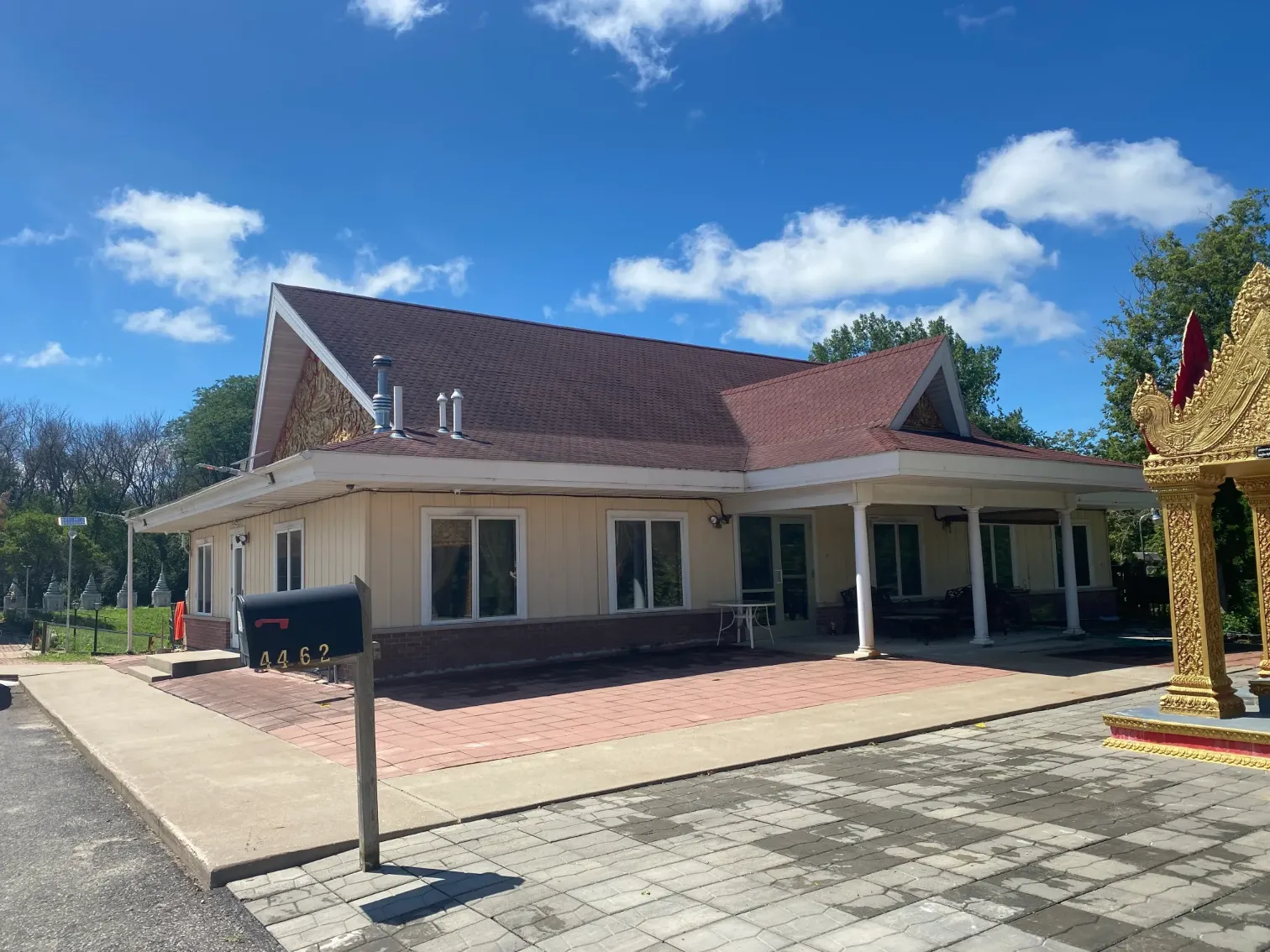
Some churches in Rochester, MN may have historical designation or architectural significance. These buildings often have additional requirements related to appearance and preservation.
Historic considerations may involve:
- Approval from preservation boards
- Matching original materials or appearance
- Limitations on visible changes
- Additional review timelines
Early planning helps avoid delays and ensures compliance.
Safety and Access Requirements
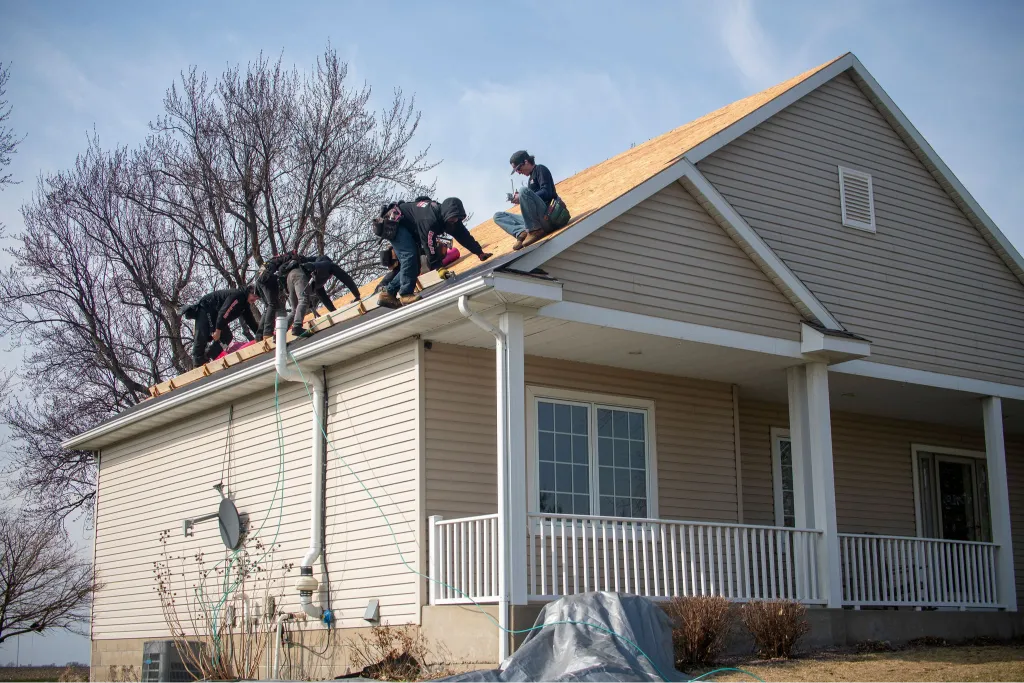
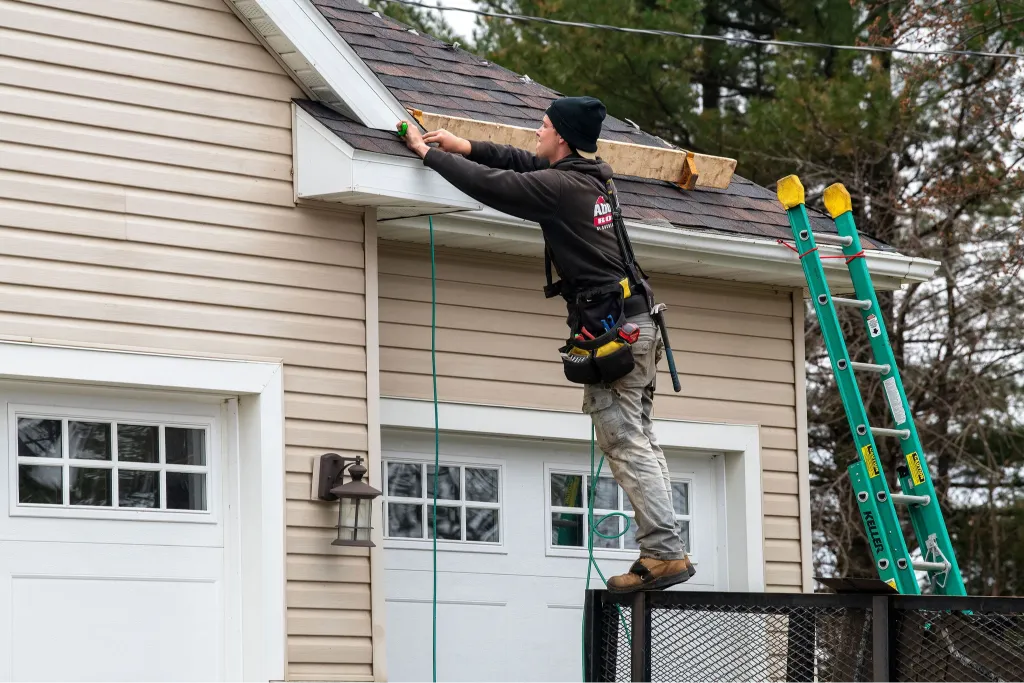
Church roofing projects often require special safety planning due to building height, steep slopes, and proximity to public areas.
Safety planning may include:
- Controlled access zones
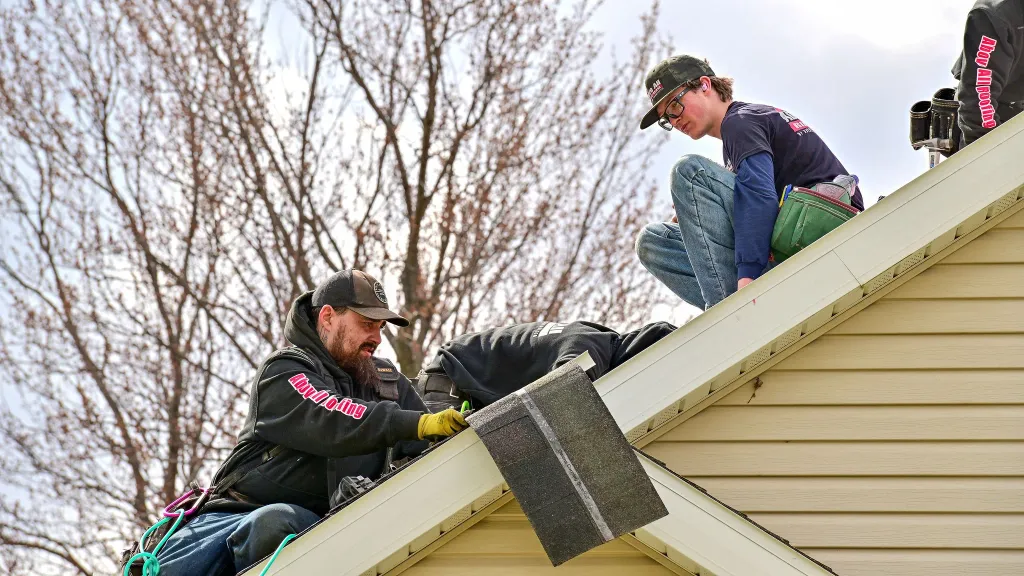
- Fall protection systems
- Scheduling work around services or events
- Protecting walkways and entrances
Permits and inspections help enforce these safety measures.
Insurance and Documentation Needs
Insurance carriers often require proof that roofing work was permitted and inspected. Documentation protects the church from liability and supports future claims.
Important documentation includes:
- Permit approvals
- Inspection reports
- Material specifications
- Contractor licensing and insurance
Keeping records organized is essential for long term building management.
Who Is Responsible for Permits
In most cases, the roofing contractor handles the permitting process. This includes submitting applications, scheduling inspections, and communicating with local authorities.
Church leadership should confirm:
- The contractor pulls permits
- Inspections are scheduled and completed
- Final approvals are documented
Clear responsibility prevents confusion and delays.
How Professional Contractors Simplify the Process
Experienced roofing contractors understand local requirements and manage the administrative side of the project. This allows church leaders to focus on congregation needs rather than regulatory details.
Above All Roofing works with churches throughout Rochester, MN to coordinate permits, inspections, and compliance. Our process ensures roofing projects meet local codes while maintaining efficiency and transparency.
Planning Ahead for a Smooth Project
Church roof replacement projects benefit from early planning. Understanding permit requirements helps set realistic timelines and budgets.
Key planning steps include:
- Scheduling inspections in advance
- Allowing time for permit approval
- Coordinating with church calendars
- Communicating expectations clearly
Preparation reduces stress and avoids project delays.
Final Thoughts
Church roof replacements in Minnesota often require permits and inspections due to building classification, safety concerns, and material considerations. These requirements protect the structure, occupants, and long term investment.
Working with a knowledgeable contractor ensures compliance and smooth project execution. With proper planning and professional guidance, church roofing projects can move forward confidently and responsibly.