Church buildings are long term community investments. In Rochester, MN, many churches are designed to last generations, which means roofing decisions must focus on durability, safety, and predictable maintenance. Unlike residential roofs, church roofs often cover large areas, feature steep slopes, and protect valuable interior spaces used by many people at once.
Selecting the right roofing system is not about following trends. It is about matching materials to the building’s structure, climate exposure, and long term use.
Why Roofing System Selection Matters for Churches
Church roofing systems must handle:
- Heavy snow accumulation
- Ice movement and melt cycles
- Strong wind exposure
- Long ownership timelines
- Limited tolerance for leaks or disruptions
A roofing system that performs well on a home may not be suitable for a large sanctuary or fellowship hall. Proper evaluation ensures long term performance and responsible use of church funds.
Metal Roofing Systems for Churches
Metal roofing is one of the most common choices for church buildings in Minnesota. Its strength, longevity, and clean appearance make it ideal for steep slopes and large roof surfaces.
Benefits of metal roofing for churches include:
- Lifespans of 40 to 50 years or more
- Excellent snow shedding ability
- Strong resistance to wind and hail
- Low maintenance requirements
- Compatibility with architectural designs
Standing seam metal roofing is often preferred because it conceals fasteners and allows panels to expand and contract naturally with temperature changes.
Architectural Shingles on Church Roofs
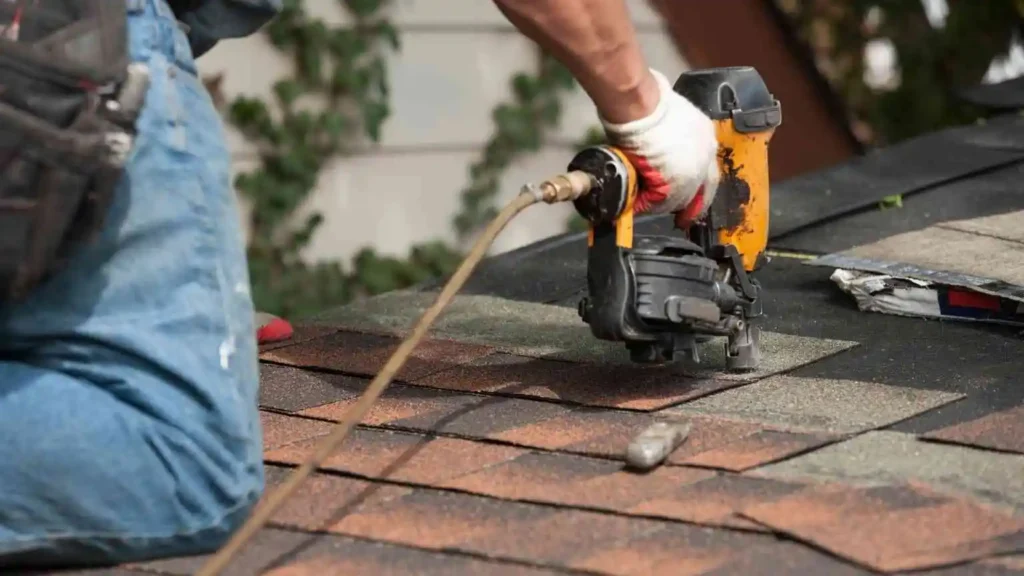
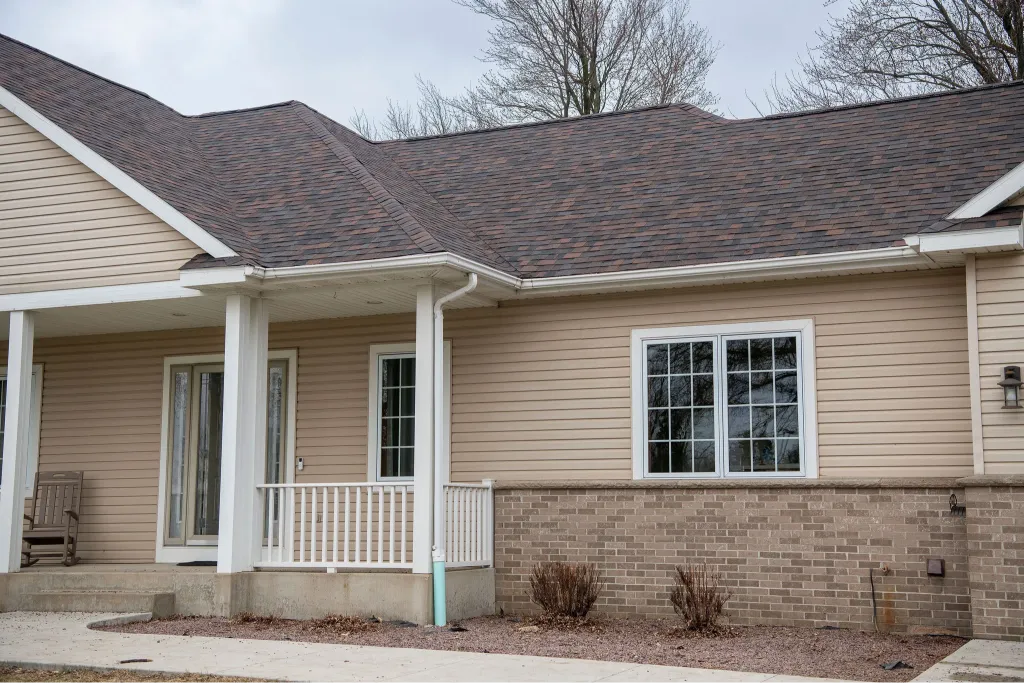
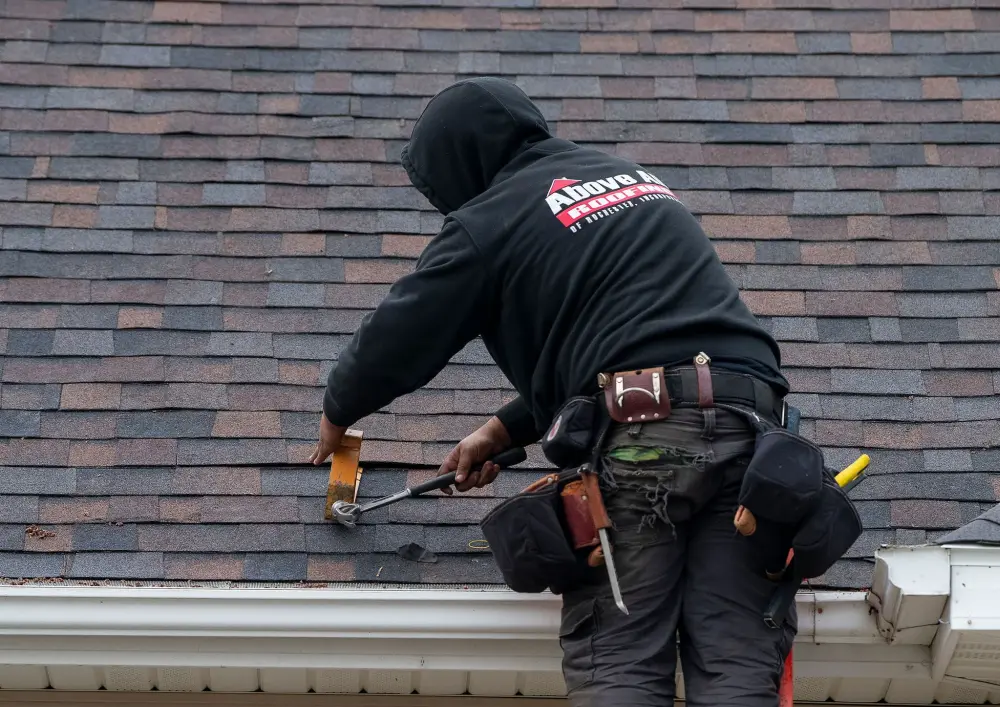
Some churches use architectural shingles, especially on smaller structures or additions. Modern architectural shingles provide improved durability compared to traditional three tab shingles.
Advantages of architectural shingles include:
- Lower upfront cost
- Familiar appearance
- Easier repairs
- Good performance when properly installed
However, shingles generally have shorter lifespans than metal and may require replacement sooner in Minnesota conditions.
Flat and Low Slope Roofing Systems
Many churches include flat or low slope sections over offices, classrooms, or fellowship areas. These areas require membrane roofing systems rather than shingles or metal panels.
Common flat roofing options include:
- TPO roofing systems
- EPDM rubber membranes
- Modified bitumen systems
These systems are designed to manage water flow and prevent ponding. Proper drainage and insulation design are critical for performance during snow melt and heavy rain.
Snow Load and Ice Protection Design
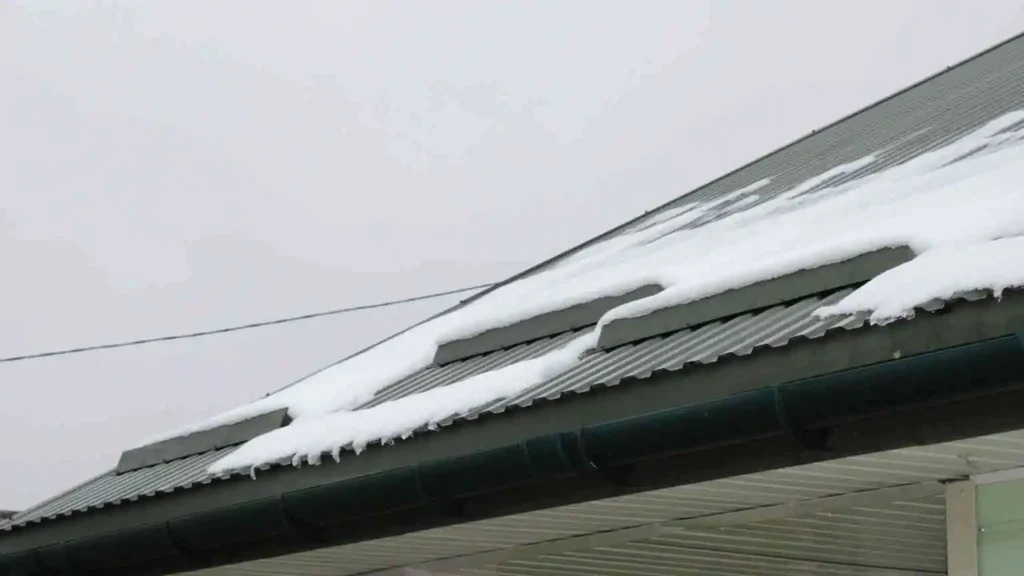
Minnesota winters place significant weight on church roofs. Roofing systems must be engineered to handle snow accumulation while preventing ice related damage.
Important design considerations include:
- Ice and water barrier placement
- Snow guard installation where needed
- Proper slope transitions
- Gutter and downspout capacity
Failing to address snow and ice issues can lead to leaks, structural stress, and safety hazards near entrances.
Budget Planning and Long Term Value
Church roofing decisions often involve committees and budget planning over multiple years. While some systems cost more upfront, they may offer lower annual cost over time due to extended lifespan and reduced maintenance.
Factors to evaluate include:
- Expected lifespan
- Maintenance requirements
- Replacement frequency
- Disruption to services and activities
Metal roofing often provides the lowest long term cost despite higher initial investment.
Aesthetic and Architectural Considerations
Church roofs contribute significantly to a building’s appearance. Roofing materials should complement architectural style while maintaining durability.
Design considerations may include:
- Color selection
- Panel profile or shingle texture
- Visibility from street level
- Integration with steeples and towers
Preserving visual character while improving performance is a key goal.
Importance of Professional Assessment
Every church building is different. Roof pitch, age, structural design, and use all influence the best roofing system choice. Professional inspections help identify vulnerabilities and recommend solutions that align with both immediate needs and future planning.
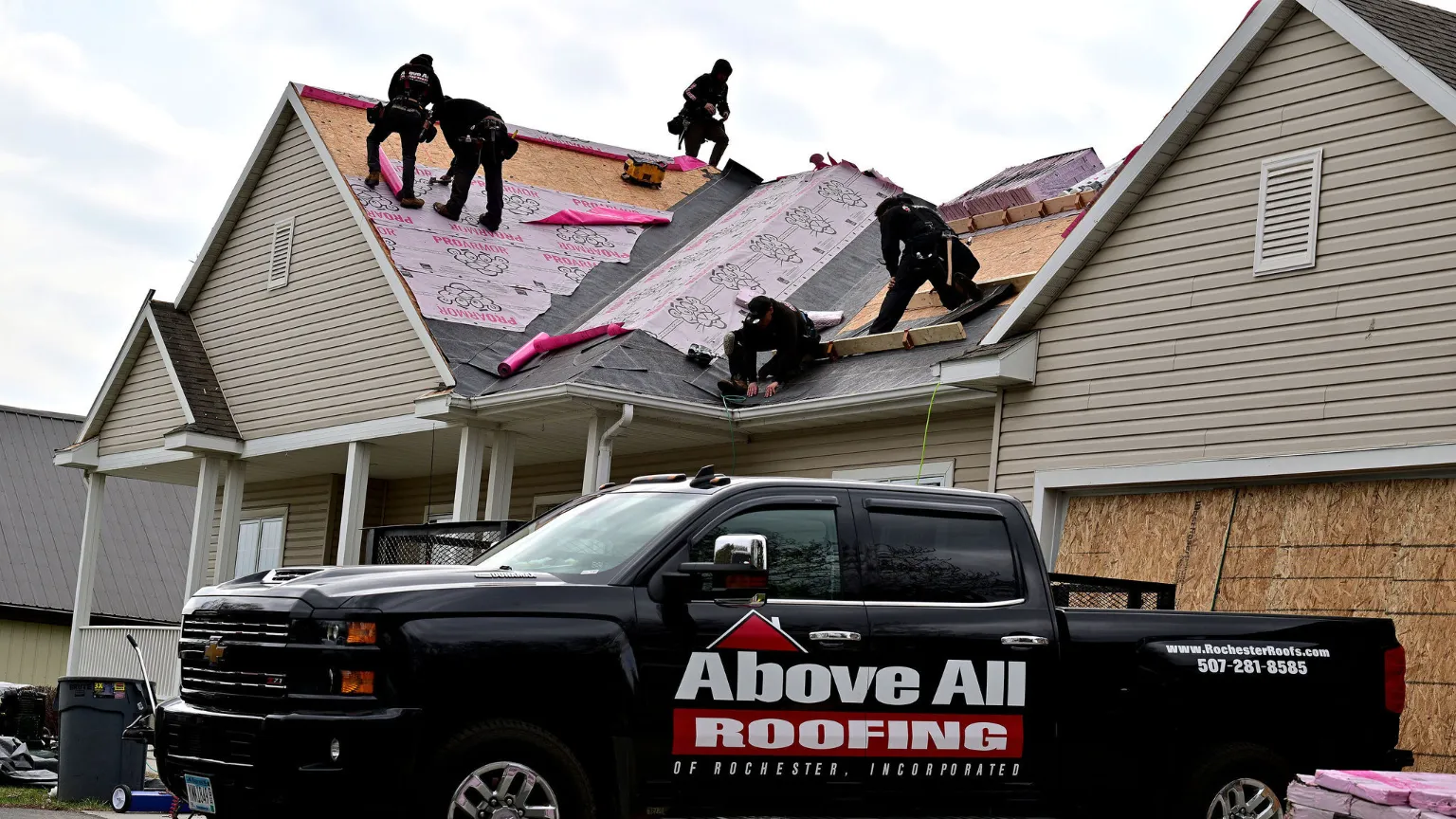
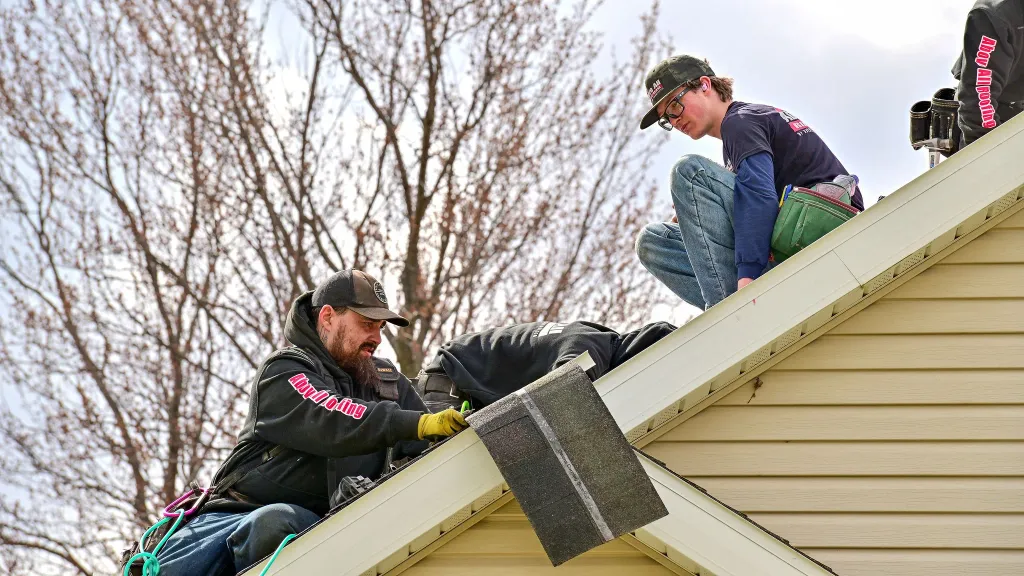
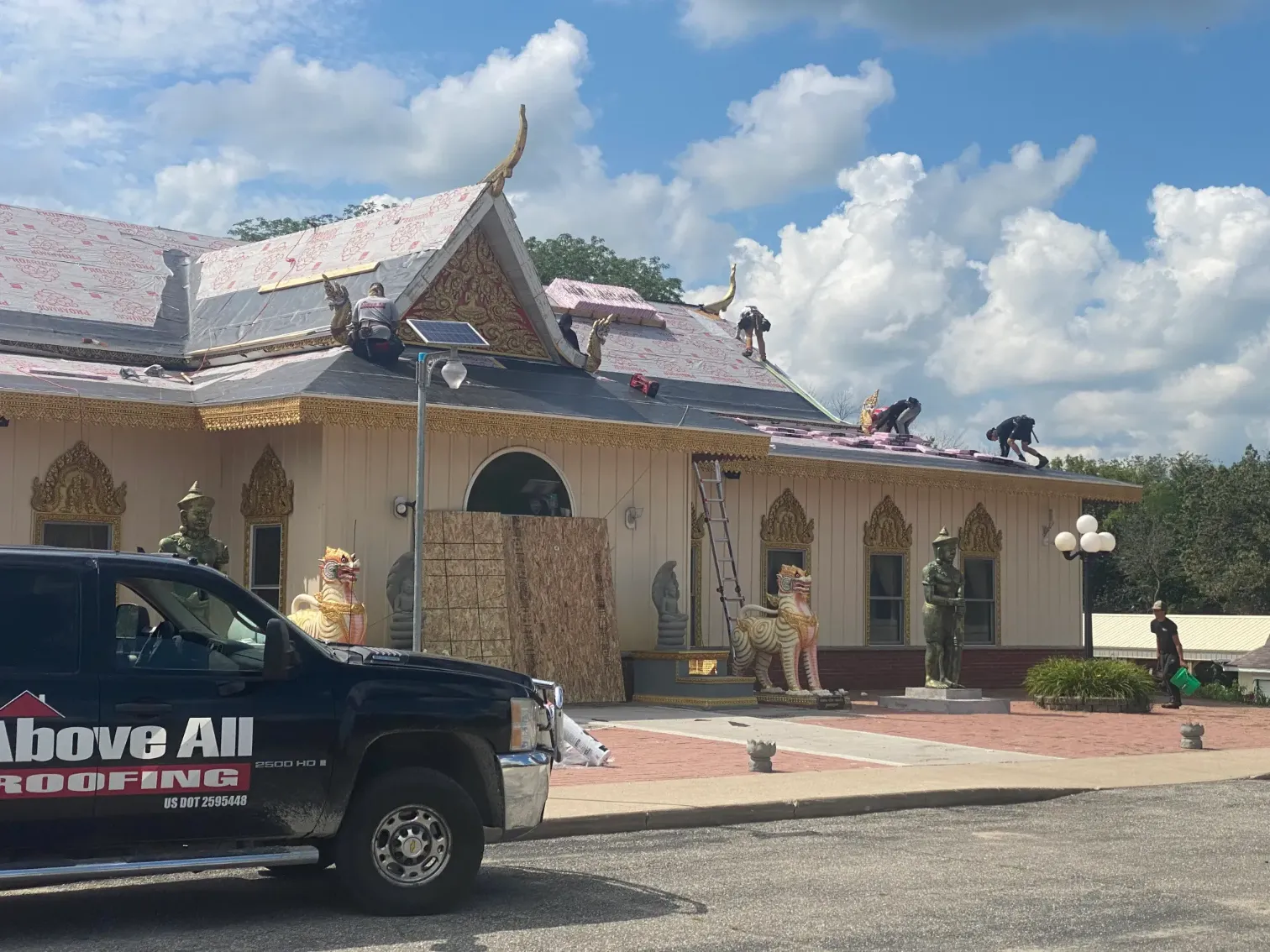
Above All Roofing works with churches throughout Rochester, MN to evaluate roofing systems with a focus on safety, longevity, and budget responsibility. Clear documentation and realistic recommendations allow church leaders to make informed decisions with confidence.