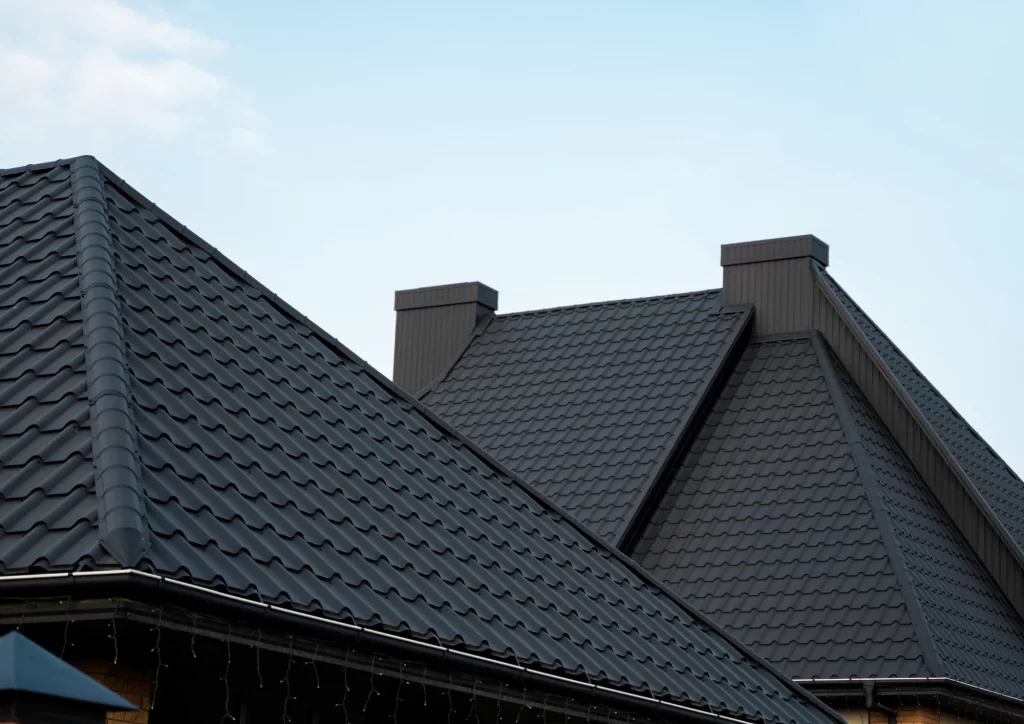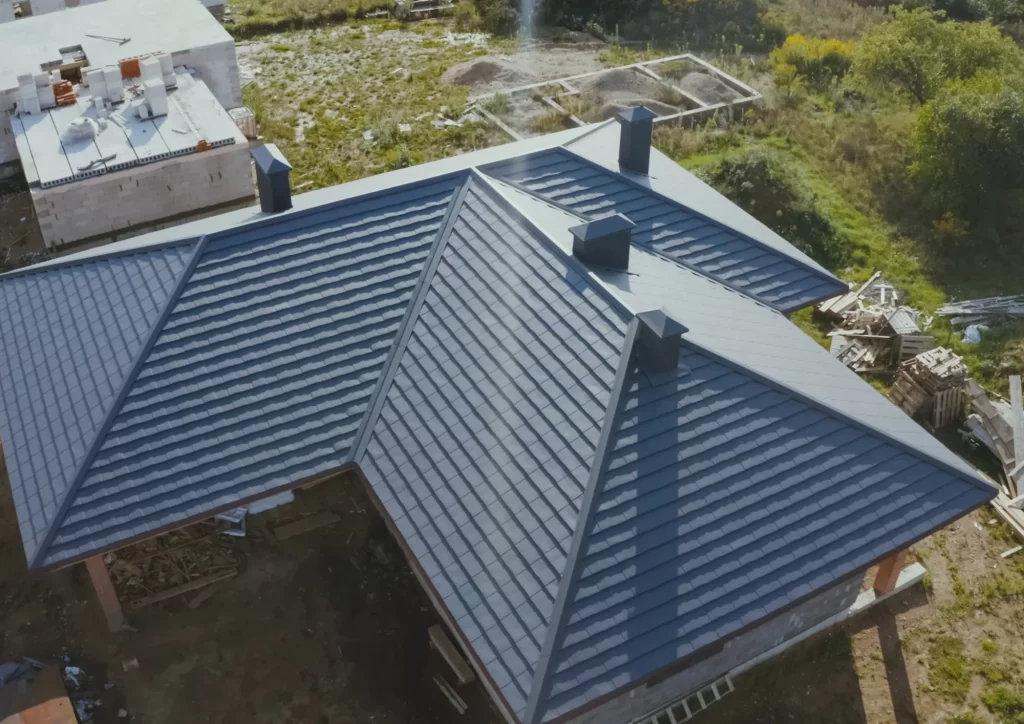
One of the most common questions homeowners ask when considering metal roofing is whether it will be noisy. Minnesota residents are especially concerned due to heavy rainstorms, sleet, and snow accumulation throughout the year. The idea of loud drumming overhead often comes from outdated perceptions of metal roofs installed decades ago on barns or sheds.
Today’s metal roofing systems are engineered differently and installed over solid roof decking with insulation layers that significantly reduce sound transmission. Understanding how noise actually behaves in a modern roofing system helps homeowners make informed decisions.
Where the Noise Concern Comes From
The belief that metal roofs are loud usually comes from older agricultural buildings or exposed metal installations without insulation. In those structures, metal panels were attached directly to framing with no sound dampening materials beneath them.
Residential and commercial metal roofing systems in Minnesota are installed over:
- Solid wood decking
- Underlayment layers
- Insulation systems
- Attic spaces designed for airflow and temperature control
These layers absorb and disperse sound long before it reaches interior living spaces.
How Sound Travels Through a Roof System
Sound does not travel through metal panels alone. It moves through air space and structural components. In a properly built roofing system, the roof deck and insulation act as sound barriers.
Factors that affect roof noise include:
- Thickness of roof decking
- Type and amount of attic insulation
- Presence of finished ceilings
- Ventilation design
In most homes, rain noise from a metal roof is similar to or quieter than asphalt shingles.
Rain Noise on Metal Roofing
During rainstorms, metal roofing sheds water efficiently. Rain moves quickly across the surface rather than soaking in. While the surface may produce initial impact sound, that sound is muted by the roofing assembly beneath.
Homeowners often report:
- No noticeable increase in interior noise
- Similar sound levels to previous shingle roofs
- Quieter conditions in homes with upgraded insulation
Heavy rain may be audible during intense storms, but it is rarely disruptive or louder than expected.
Snow and Ice Sound Concerns
Snow behaves differently than rain. In Minnesota, snowfall is frequent and often accumulates gradually. Snow does not create loud impact noise when landing on a metal roof.
Metal roofs allow snow to slide off more easily once temperatures rise. When snow movement occurs, it is typically brief and controlled, especially when snow guards are installed.
Snow related sound considerations include:
- Minimal noise during snowfall
- Occasional sliding sounds during thaw cycles
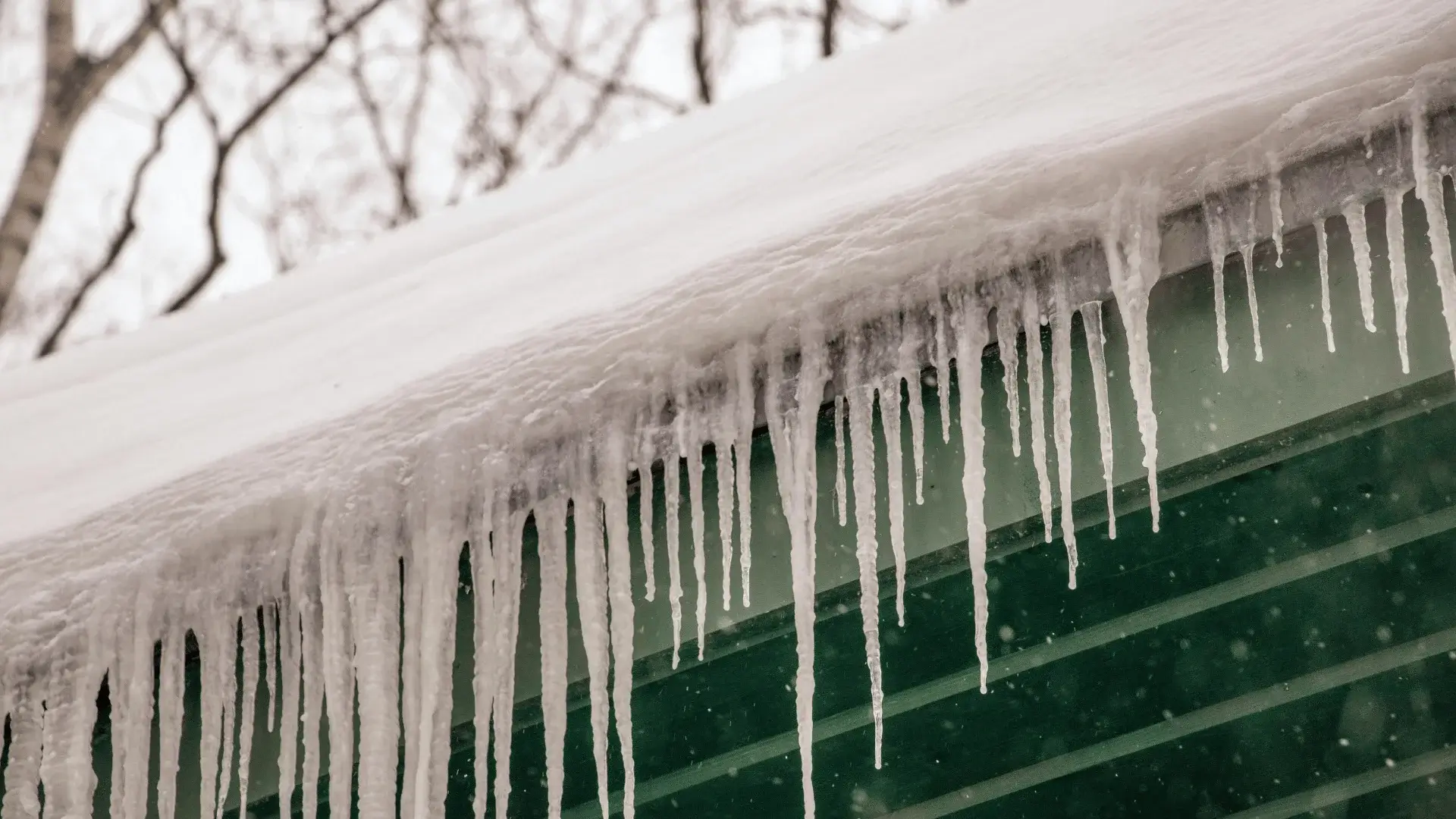
- Reduced ice dam noise compared to shingles
Proper installation ensures snow shedding is safe and predictable.
Role of Insulation and Attic Design
Insulation is the most important factor in noise control for any roofing system. Homes with modern insulation standards experience minimal sound transmission regardless of roof material.
Effective sound reduction depends on:
- Adequate attic insulation depth
- Proper air sealing
- Balanced ventilation
- Solid ceiling construction
Homes that already meet energy efficiency standards are well suited for metal roofing without noise concerns.
Decking and Fastening Systems
Metal roofing is installed over solid decking rather than open framing. This provides stability and sound dampening. Standing seam systems, in particular, reduce vibration because fasteners are concealed and panels are secured with clips that allow controlled movement.
Standing seam advantages include:
- Reduced vibration
- Better thermal movement control
- Quieter performance during weather events
Exposed fastener systems may transmit slightly more sound, but still remain quiet when installed correctly.
Comparison to Other Roofing Materials
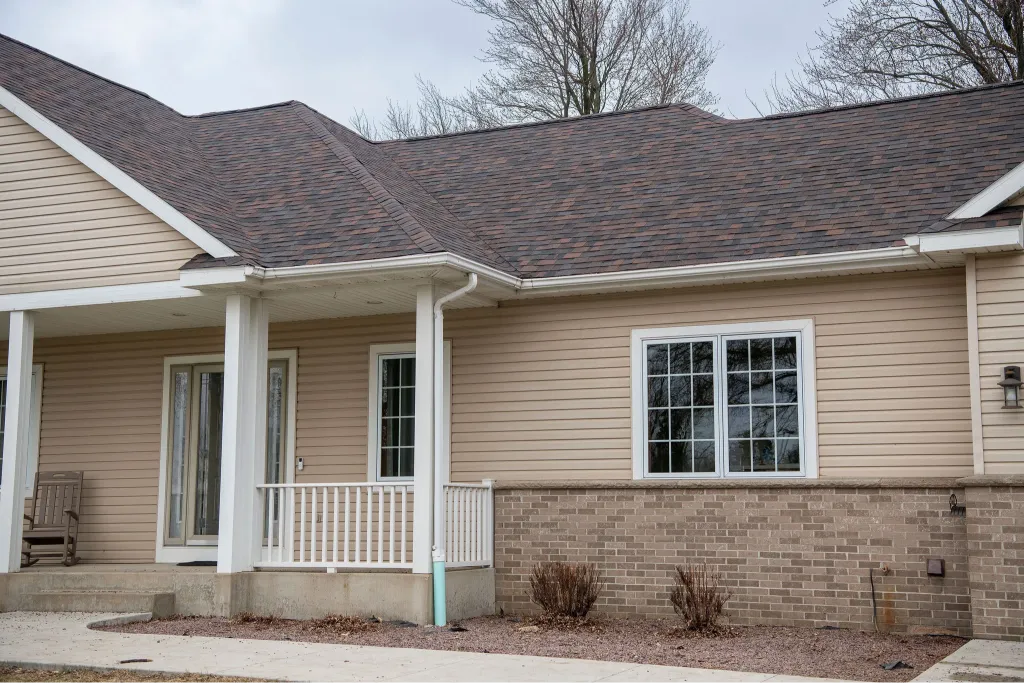
Asphalt shingles absorb some sound due to their texture, but they also allow moisture to linger. Metal sheds water faster, reducing prolonged noise exposure.
Compared to shingles:
- Metal roofs do not amplify sound
- Noise levels are comparable inside the home
- Insulation matters more than surface material
Many homeowners notice no difference at all after switching to metal roofing.
Common Myths About Metal Roofing Noise
Several myths continue to circulate despite advances in roofing technology.
Common misconceptions include:
- Metal roofs are loud during every rainstorm
- Snow hitting metal creates constant noise
- Metal roofs echo inside the home
- Metal roofing is only quiet on commercial buildings
These myths persist largely due to outdated installations and lack of insulation awareness.
Why Installation Quality Matters
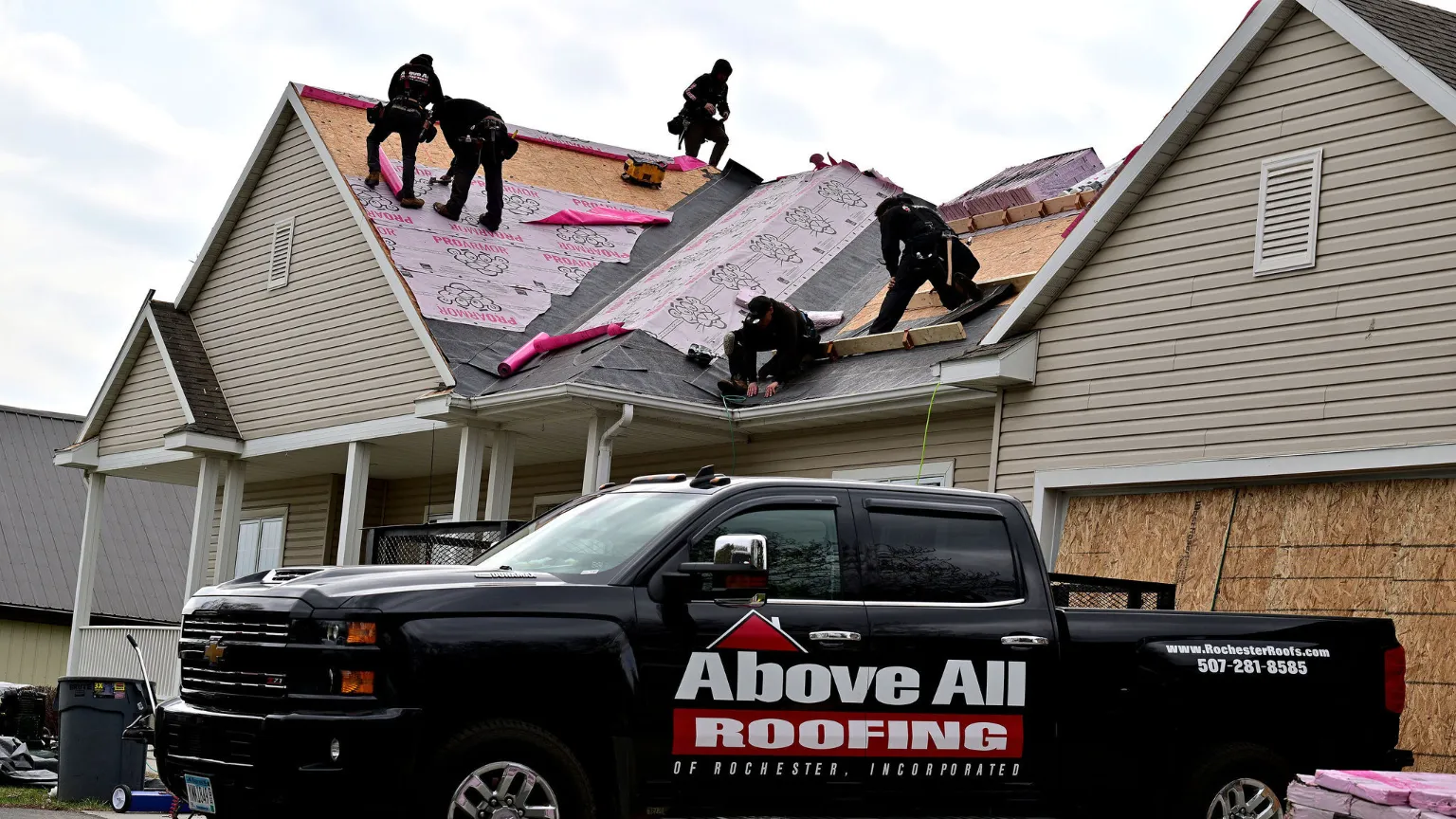
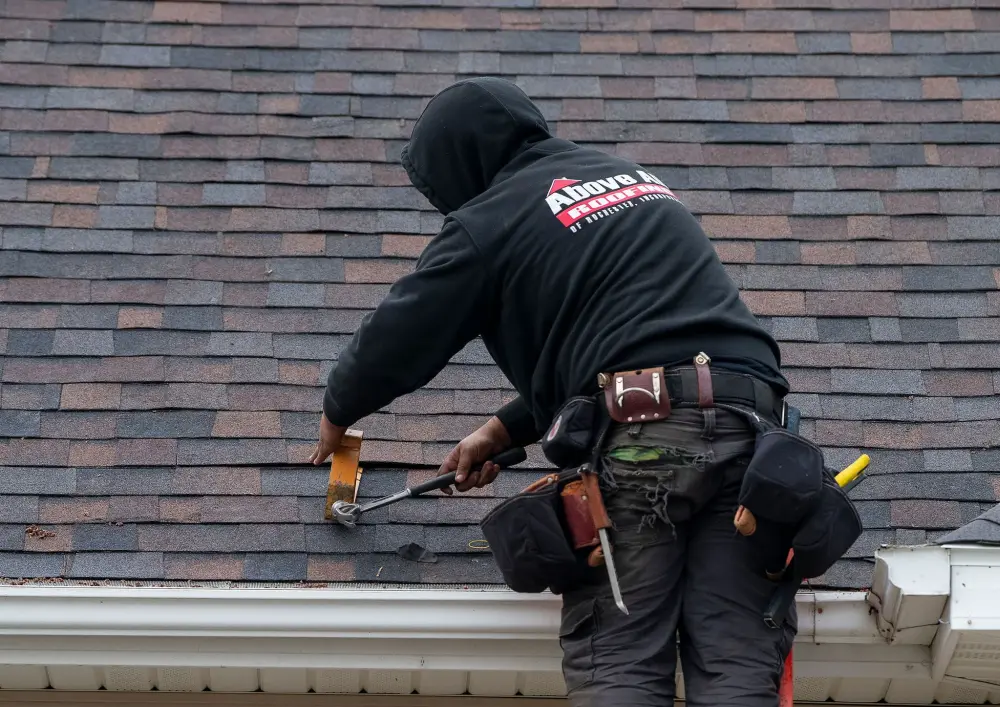
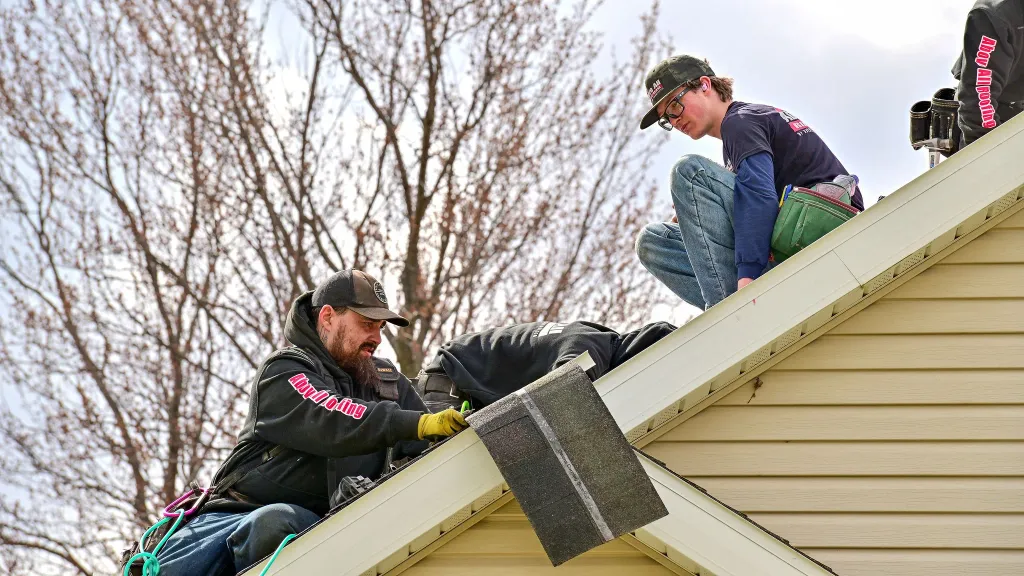
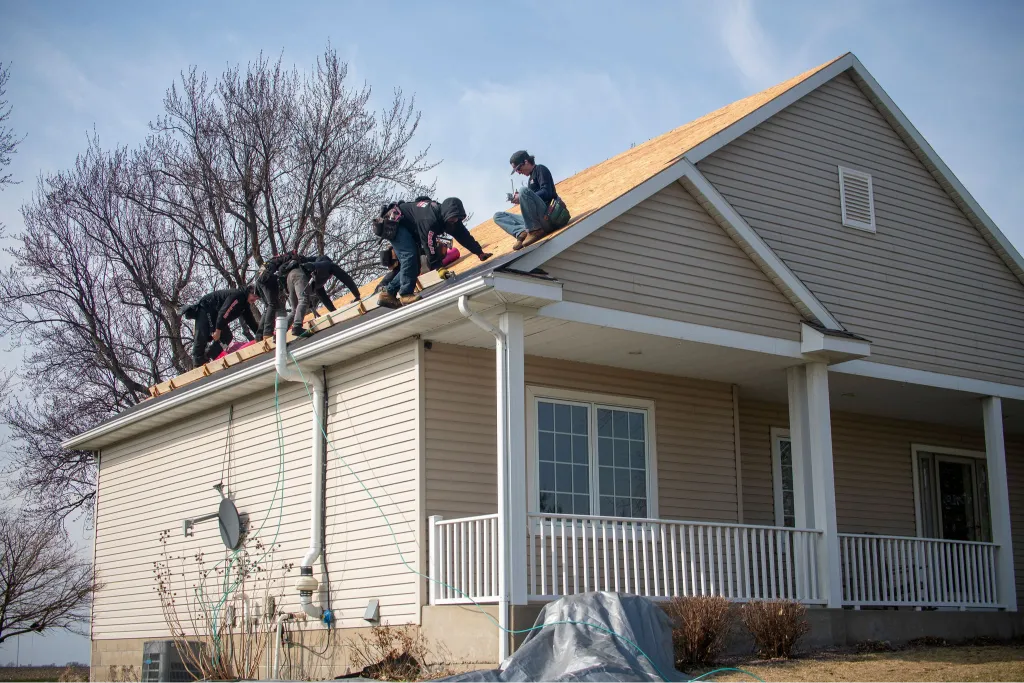
Even the best roofing material can perform poorly if installed incorrectly. Proper fastening, underlayment selection, and insulation placement all influence sound control.
Professional installation ensures:
- Panels are secured without excessive movement
- Underlayment absorbs impact sound
- Ventilation prevents pressure buildup
- Insulation meets current standards
Above All Roofing installs metal roofing systems designed specifically for Minnesota conditions, focusing on comfort as well as durability.
Final Thoughts
Metal roofing has evolved significantly and noise concerns are no longer a reason to avoid it. In Minnesota homes with proper insulation and installation, metal roofs are quiet, efficient, and comfortable year round.
For homeowners considering metal roofing in Rochester, MN, understanding how modern systems work helps separate fact from outdated perception. With the right installation, metal roofing provides strength, longevity, and quiet performance through rain, snow, and everything in between.