Commercial buildings and churches in Minnesota require roofing systems that prioritize longevity, safety, and predictable maintenance costs. Unlike residential homes, these structures often have larger roof surfaces, steeper architectural elements, and longer ownership timelines. Because of this, many property managers and church boards ask the same question before committing to a metal roof. How long will it really last?
Metal roofing has become one of the most trusted systems for commercial and church buildings in Rochester, MN due to its ability to withstand extreme weather while maintaining structural integrity over decades. Understanding what affects lifespan helps decision makers plan responsibly and protect their investment.
Why Metal Roofing Is Common on Commercial and Church Buildings
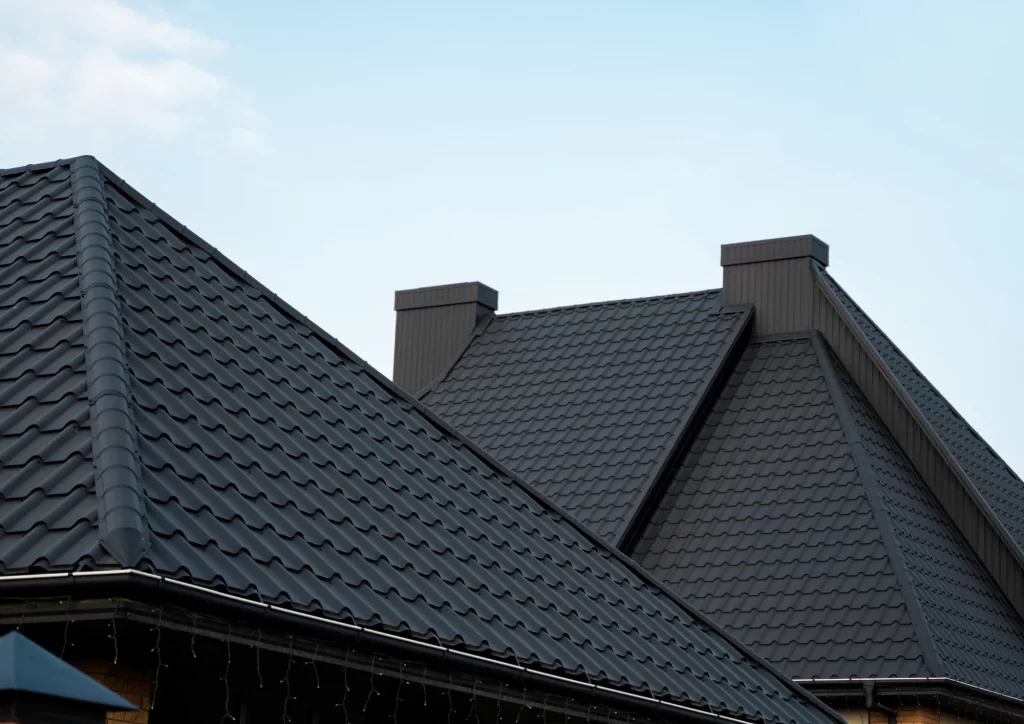
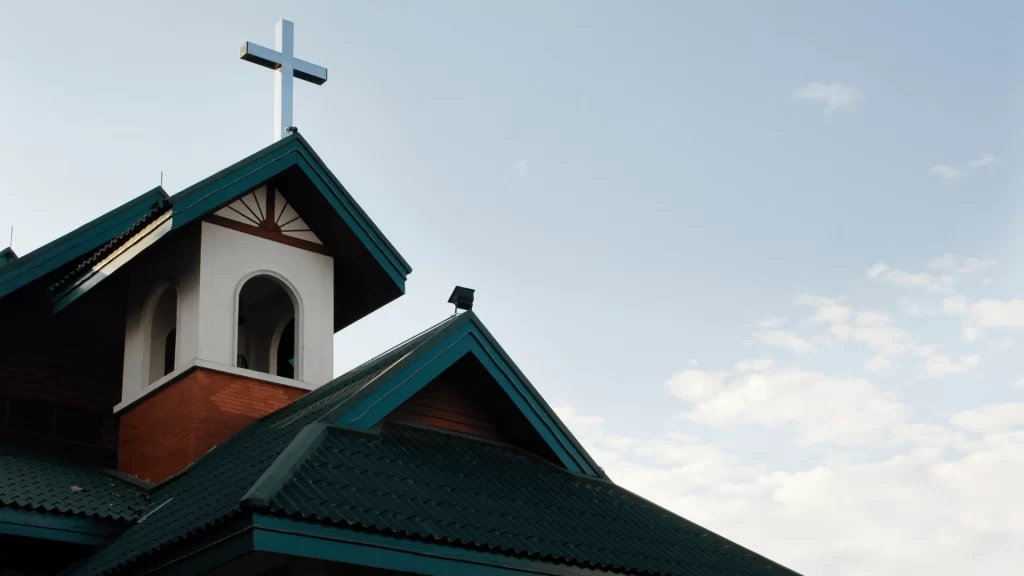
Metal roofing systems are engineered for large scale structures. Churches often feature tall rooflines, steep pitches, and complex shapes that benefit from metal’s strength and flexibility. Commercial buildings value metal roofing for its predictable performance and low long term disruption.
Common reasons metal roofing is selected include:
- Long service life
- Strong wind resistance
- Snow shedding ability
- Lower long term maintenance costs
- Clean and professional appearance
For buildings expected to last generations, metal roofing aligns with long term ownership goals.
Average Lifespan of Metal Roofing Systems
Most high quality metal roofing systems last between 40 and 50 years. Some systems extend beyond that range when properly maintained. The core panels themselves often outlast other roofing materials by decades.
However, it is important to understand that lifespan refers to the full roofing system, not just the metal panels. Supporting components such as fasteners, sealants, and protective coatings influence how long the roof performs at its best.
Standing Seam vs Exposed Fastener Systems
Metal roofing systems generally fall into two categories.
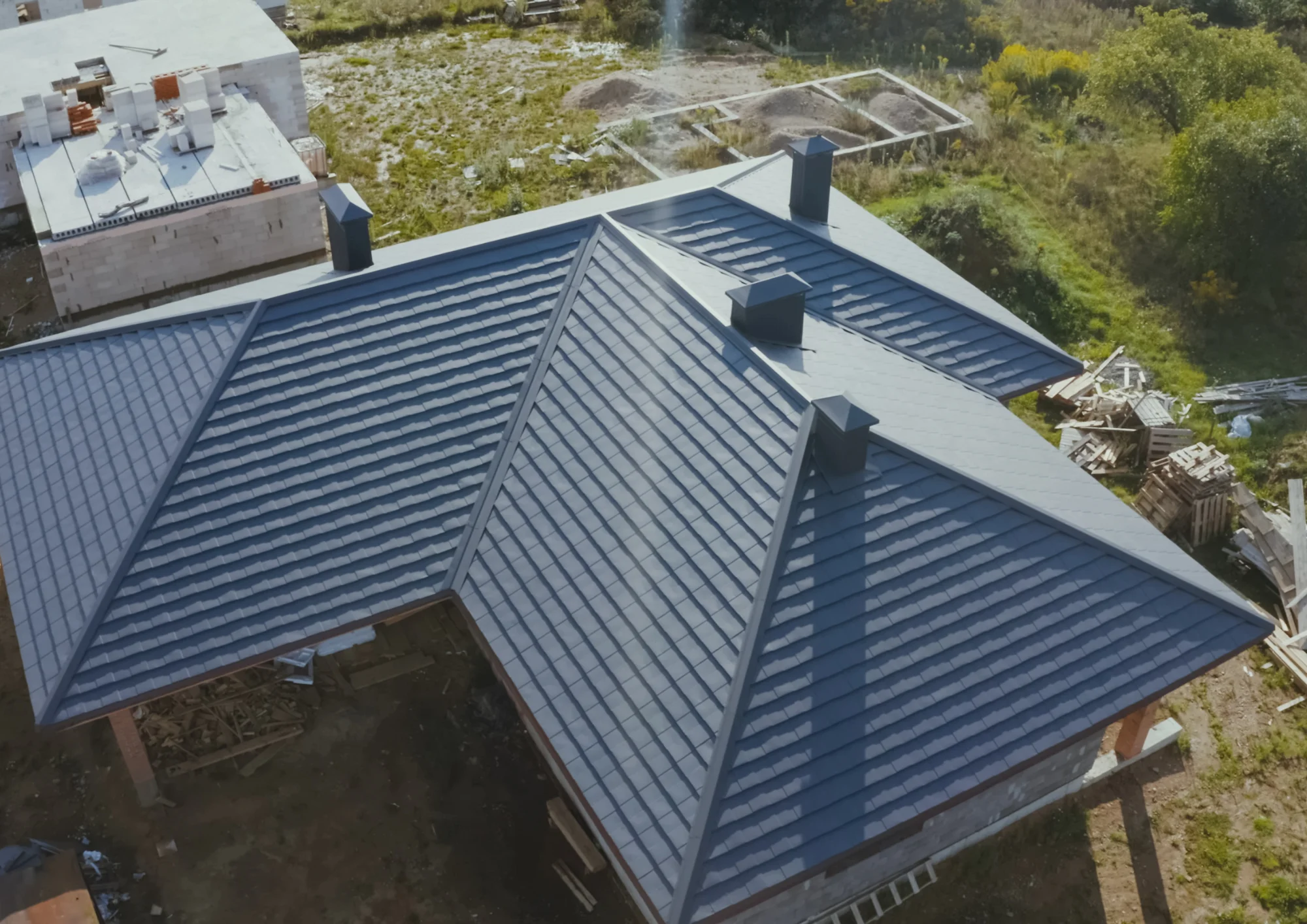
Standing seam systems feature concealed fasteners beneath raised seams. This design reduces exposure to moisture and allows panels to expand and contract naturally with temperature changes. These systems typically offer the longest lifespan and are commonly used on churches and higher end commercial properties.
Exposed fastener systems use screws with sealing washers that penetrate the panel surface. While cost effective, these fasteners experience wear over time due to expansion, contraction, and weather exposure.
Key differences include:
- Standing seam systems last longer
- Exposed fasteners may require replacement during roof life
- Concealed systems offer cleaner aesthetics
- Expansion movement is better managed with standing seam
Coatings and Finish Longevity
Metal roofing panels are protected by specialized coatings that prevent corrosion and fading. These finishes play a major role in lifespan and appearance. Many coatings carry warranties between 40 and 45 years depending on manufacturer and color selection.
In Minnesota, coatings protect against:
- Moisture exposure
- Freeze and thaw cycles
- Ultraviolet radiation
- Environmental pollutants
While color fade may occur gradually, the roof remains structurally sound long after cosmetic changes begin.
Impact of Minnesota Weather
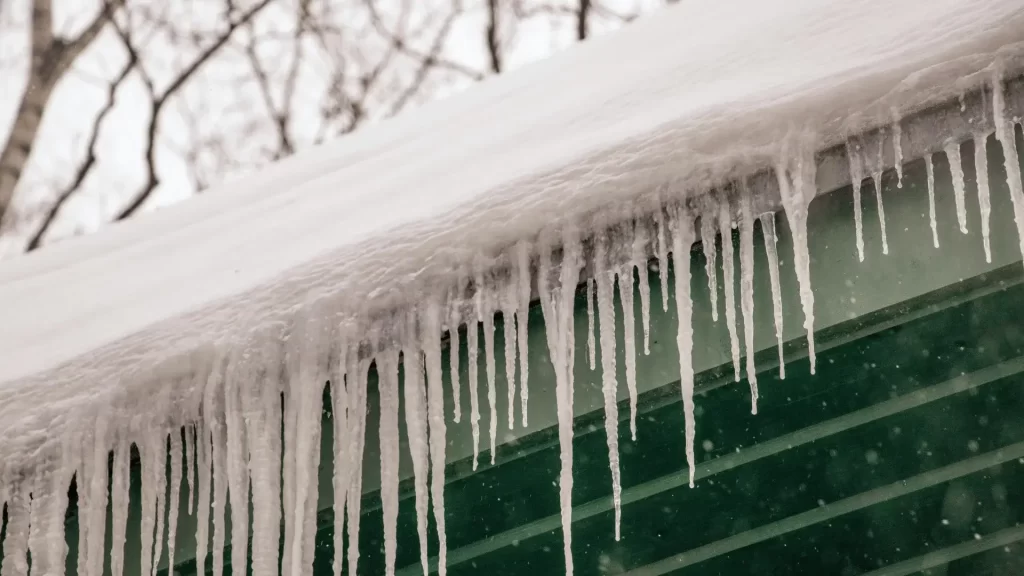
Minnesota weather places unique demands on large roofing systems. Snow accumulation, ice movement, and seasonal temperature swings all affect metal roofs differently than smaller residential systems.
Metal roofs perform well because:
- Snow slides off rather than accumulating
- Panels resist cracking or splitting
- Fasteners and seams are engineered for movement
- Ice buildup is reduced with proper detailing
Church buildings benefit especially from snow shedding due to their height and slope, reducing structural stress during winter months.
Maintenance and Inspection Expectations
Metal roofing requires less frequent maintenance than many other systems, but routine inspections are still important. Annual evaluations help identify small issues before they become costly repairs.
Recommended maintenance practices include:
- Visual inspection after major storms
- Checking fasteners on exposed systems
- Inspecting sealants around penetrations
- Clearing debris from valleys and drains
Regular maintenance extends lifespan and protects warranties.
Why Installation Quality Matters
Even the highest quality metal panels will not perform as intended if installed incorrectly. Panel alignment, flashing design, ventilation planning, and fastening methods all influence how long the roof lasts.
Common installation mistakes that reduce lifespan include:
- Improper fastening patterns
- Incorrect flashing at transitions
- Inadequate ventilation design
- Poor alignment allowing water entry
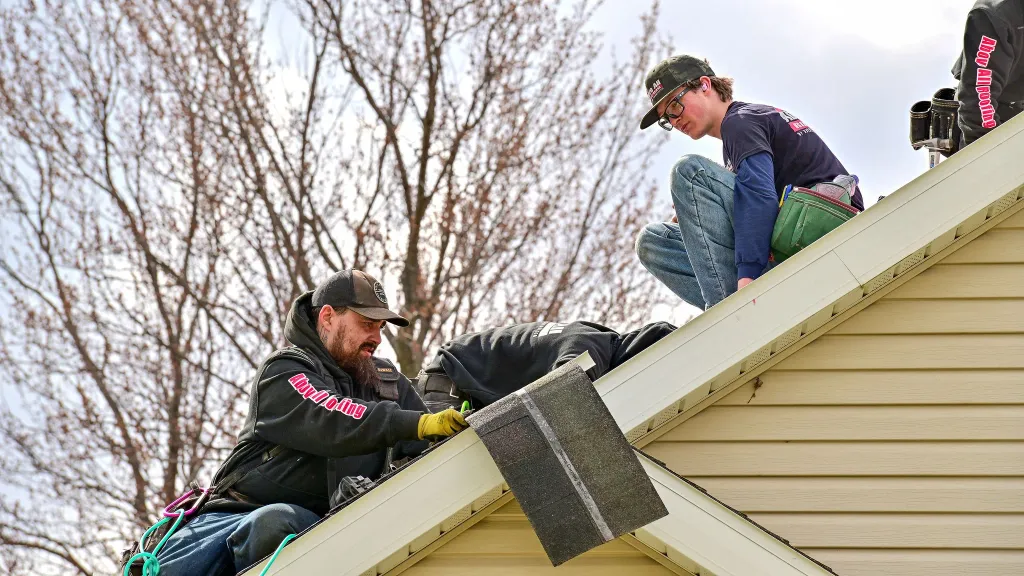
Working with experienced installers ensures the system performs to its full potential.
Planning for Long Term Ownership
Churches and commercial property owners often plan for decades of use. Metal roofing supports this mindset by offering predictable costs and minimal disruption. While initial investment may be higher than other materials, the extended lifespan often results in lower annual cost over time.
Metal roofing also supports future upgrades such as solar installations or insulation improvements without requiring full roof replacement.
Choosing the Right Partner
Selecting the right contractor is just as important as choosing the right roofing material. Metal roofing requires specialized knowledge and experience, especially on large and complex structures.
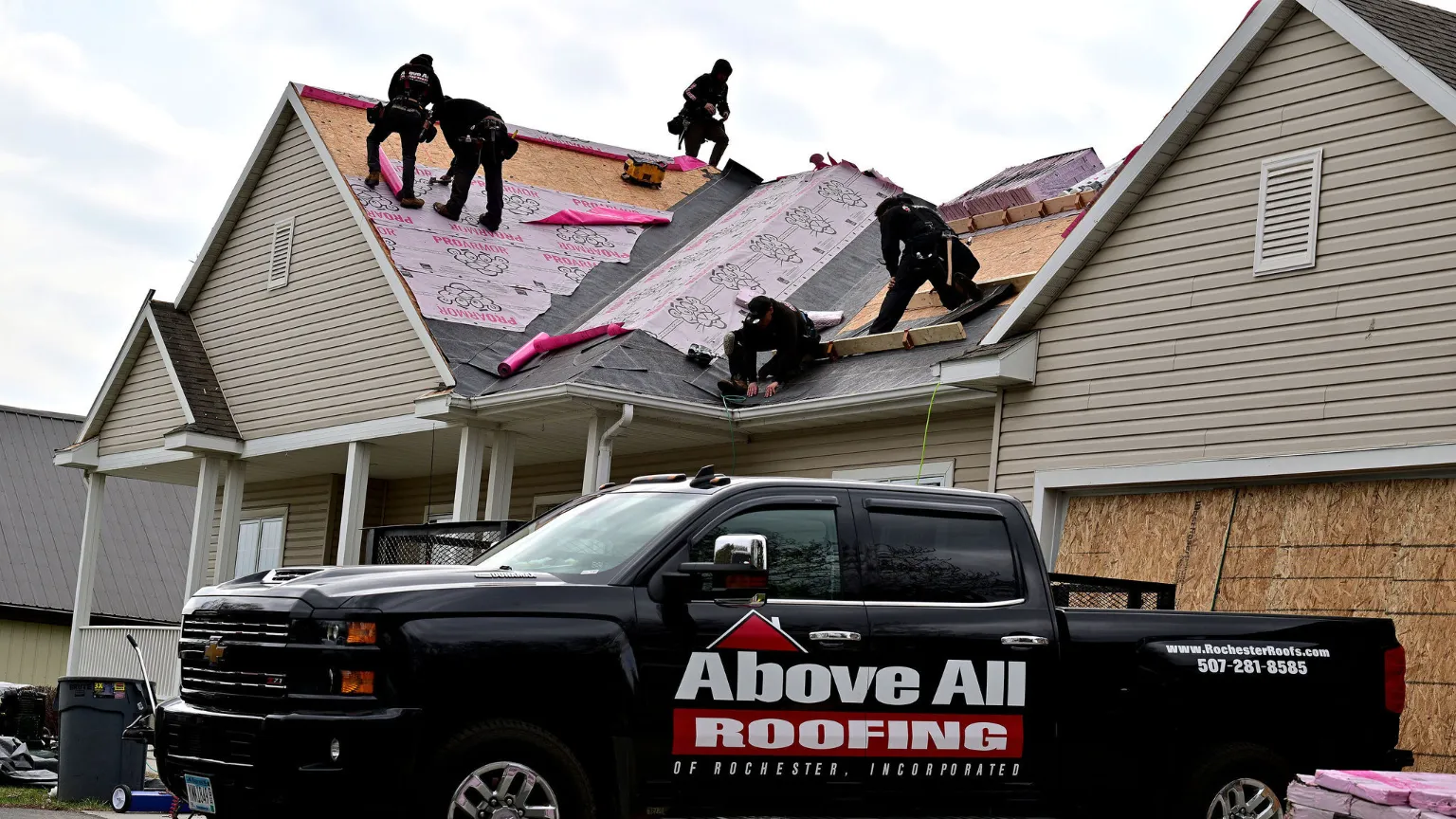
Above All Roofing works with commercial and church properties throughout Rochester, MN, providing metal roofing systems designed for long term performance. Proper planning, precise installation, and ongoing support help ensure roofs last as long as intended.