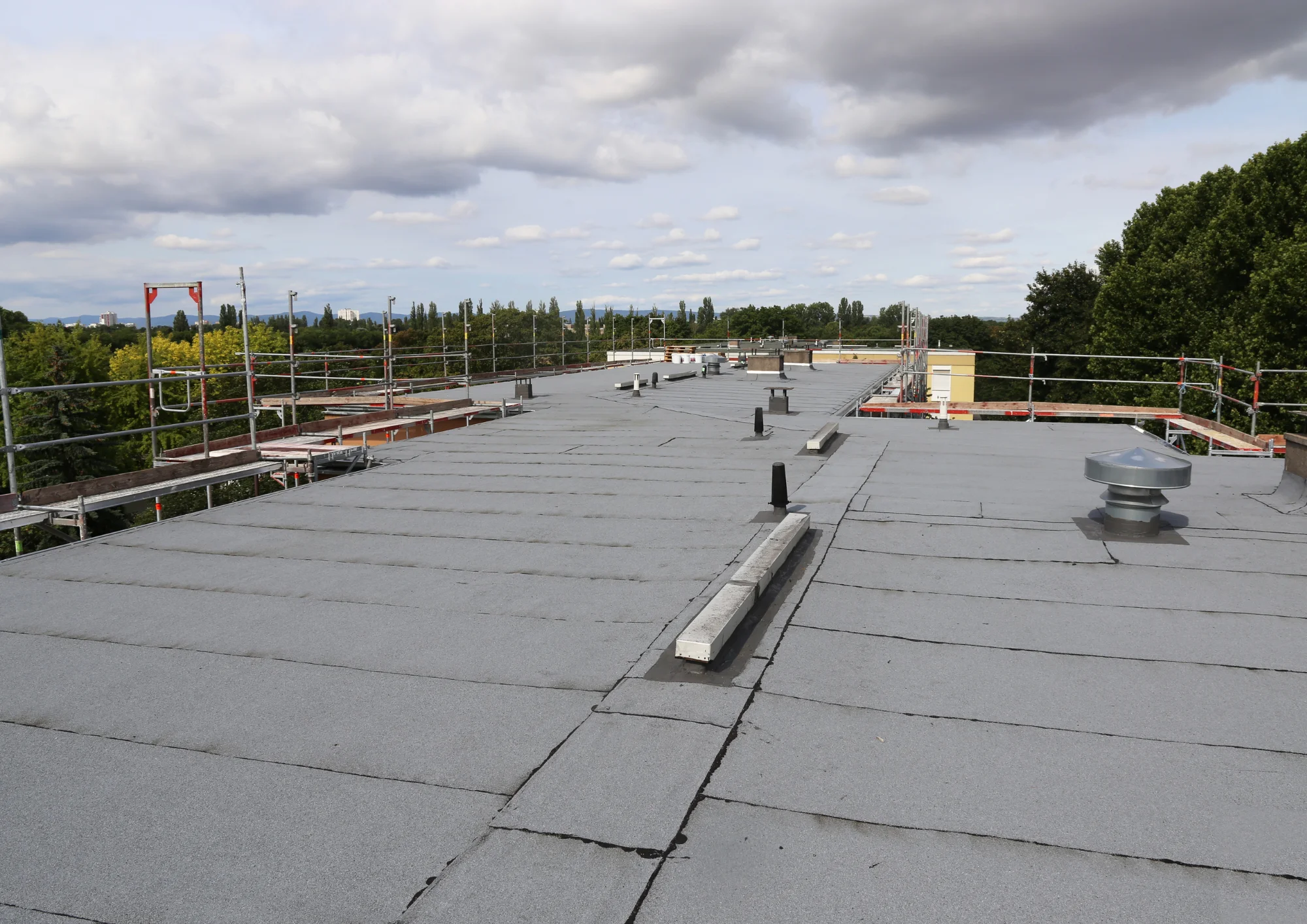
Flat roofs are common on commercial buildings, churches, and multi use properties throughout Rochester, MN. While modern flat roofing systems are highly effective, they require proper design and ongoing maintenance to perform well in Minnesota’s demanding climate. Most flat roof failures do not happen suddenly. They develop slowly over time and often go unnoticed until water enters the building.
Understanding the most common flat roof problems helps property owners prevent leaks, protect interior spaces, and extend roof lifespan.
Poor Drainage and Ponding Water
The most frequent cause of flat roof leaks is standing water. Flat roofs are designed with slight slope, but when drainage systems become blocked or slope is insufficient, water collects on the surface.
Common drainage issues include:
- Clogged internal drains
- Debris blocking scuppers
- Improper slope design
- Ice buildup around drain areas
Standing water increases membrane stress and accelerates material wear. Over time, seams weaken and water finds entry points.
Seam Separation and Membrane Failure
Flat roofing systems rely on sealed seams to remain waterproof. Over time, thermal movement, foot traffic, and environmental exposure can weaken these seams.
Seam failure may be caused by:
- Improper installation
- Aging adhesive or welds
- Expansion and contraction cycles
- Heavy snow load pressure
Routine inspections help identify seam stress before leaks occur.
Flashing Breakdown at Penetrations
Roof penetrations are among the most vulnerable areas on flat roofs. HVAC units, vents, skylights, and electrical conduits require flashing to prevent water intrusion.
Common flashing problems include:
- Cracked sealant
- Improper flashing design
- Movement of rooftop equipment
- Aging materials losing flexibility
Because penetrations move independently from the roof surface, they require ongoing attention.
Snow Load and Ice Related Damage
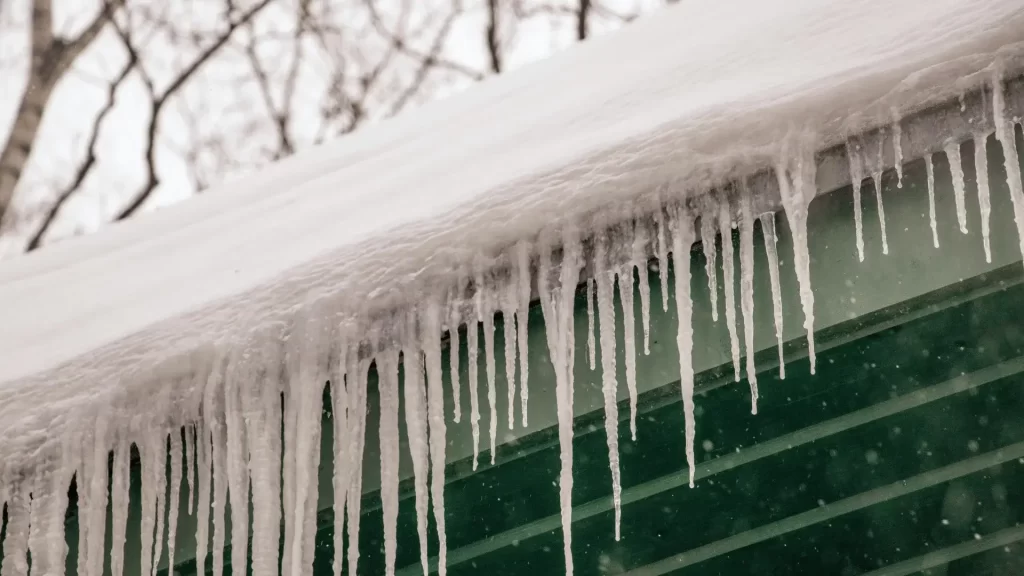
Minnesota winters place unique pressure on flat roofing systems. Snow accumulation adds weight while freeze and thaw cycles stress membranes and flashing.
Winter related problems include:
- Ice dams around parapet walls
- Freeze damage at seams
- Water backing up during melt cycles
- Hidden leaks under snow cover
Snow removal planning and winter inspections reduce these risks significantly.
Insulation Saturation
When a flat roof leaks, water often becomes trapped within insulation layers. Wet insulation loses thermal value and creates conditions for interior damage.
Signs of insulation saturation include:
- Persistent interior moisture
- Ceiling staining
- Increased heating costs
- Mold development
Early leak detection prevents insulation replacement and structural deterioration.
Foot Traffic and Rooftop Equipment Damage
Flat roofs often support mechanical systems and maintenance access. Unprotected foot traffic can damage membranes over time.
Common causes include:
- Unprotected walk paths
- Tool drops
- Equipment movement
- Improper service access
Installing designated walk pads helps protect the roofing system from wear.
Deferred Maintenance
Many flat roof problems develop due to lack of regular inspections. Small issues that could be repaired easily often escalate into major leaks when ignored.
Deferred maintenance leads to:
- Worsening seam separation
- Flashing deterioration
- Drainage blockages
- Shortened roof lifespan
Annual inspections are critical for preventing unexpected failures.
How to Prevent Flat Roof Leaks
Preventive strategies focus on early detection and routine care.
Effective prevention includes:
- Annual professional inspections
- Clearing drains and debris
- Monitoring seams and flashing
- Addressing minor repairs promptly
- Planning winter snow management
Preventive maintenance costs far less than emergency repairs or premature replacement.
Why Professional Inspections Matter
Flat roof systems require trained evaluation. Many issues are not visible from ground level and require close inspection of seams, penetrations, and drainage points.
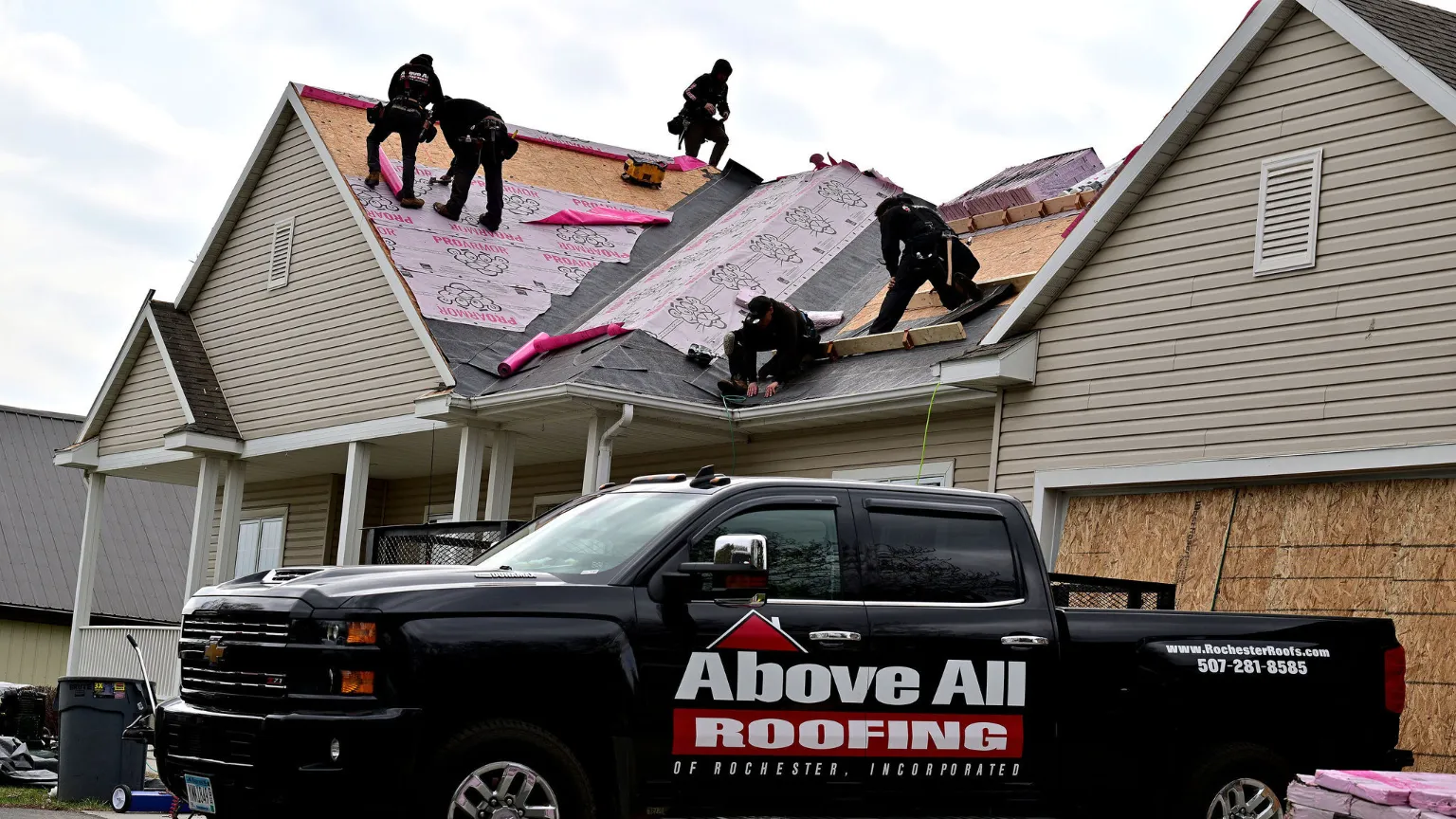
Above All Roofing provides flat roof inspections throughout Rochester, MN with detailed documentation and clear recommendations. Identifying vulnerabilities early allows property owners to plan repairs without disruption or surprise expenses.